
Originally Published as: Defense in Depth: Protecting Wood Components with Chemical Treatments and Barrier Products
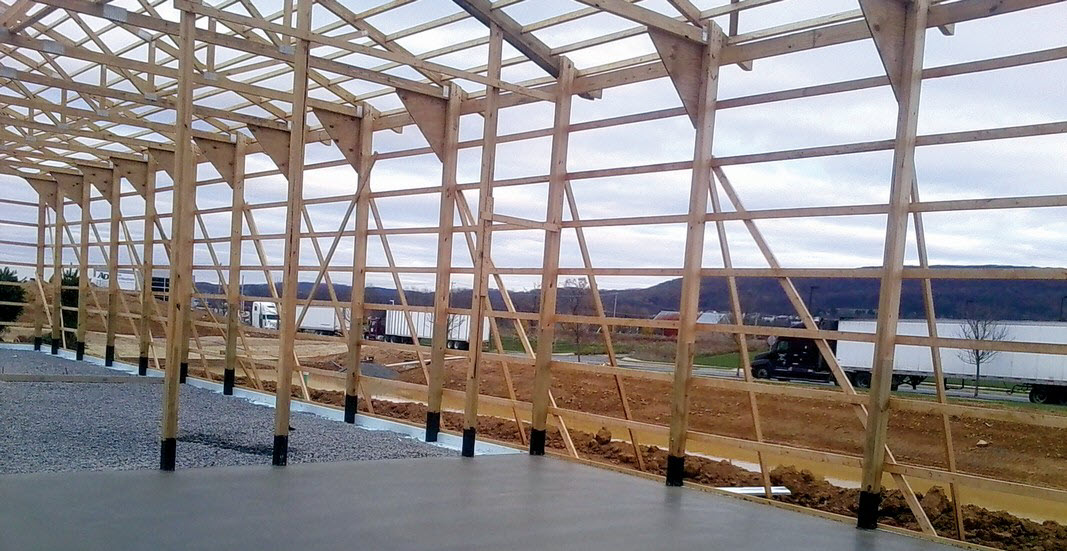
From pressure-treated lumber to physical barrier wraps, today’s post-frame industry offers builders multiple lines of defense against the silent destroyer beneath the soil line.
Post-frame construction is built on a deceptively simple premise: sink sturdy columns into the ground and let them carry the load. But that strength comes with a vulnerability. The moment wood meets soil, a race begins between the structure and the biological forces that want to break it down. Moisture, oxygen, temperature, and microorganisms combine into a relentless assault on wood fibers — one that can undermine a building’s foundation long before the roofline shows a single sign of trouble.
The good news is that the post-frame industry has never had more tools at its disposal to fight back. Chemical preservatives, physical barrier systems, and hybrid approaches give builders and their customers real options for extending the life of wood components. The challenge isn’t finding a solution — it’s understanding what each solution actually does, when to use it, and how different approaches can be layered for maximum protection.
This report walks through the science of wood decay, the chemistry behind today’s preservative treatments, and the growing family of barrier products designed to keep biological threats away from the wood altogether.
Why Wood Rots: Understanding the Enemy
Effective wood protection begins with understanding the causes of decay. In post-frame applications, moisture acts as a catalyst, but the primary threat is wood-destroying organisms such as decay fungi and subterranean insects like termites.
Three conditions must exist simultaneously for decay to occur: moisture, oxygen, and a suitable temperature range (generally between 40°F and 100°F). Remove any one of these factors, and biological decay stops. That understanding underpins every wood protection strategy used in post-frame construction today.
The ground line poses the highest risk for decay. Soil retains moisture, oxygen is available near the surface, and temperatures often support biological activity. Even in dry regions, soil rarely becomes dry enough to fully prevent decay.
“The challenge with non-treated posts in the ground is finding naturally durable species. In most areas of North America, we have seen non-treated posts in-ground lasting eight years and less.”
— Barry Hoffman, President, Planet Saver Industries / GreenPost
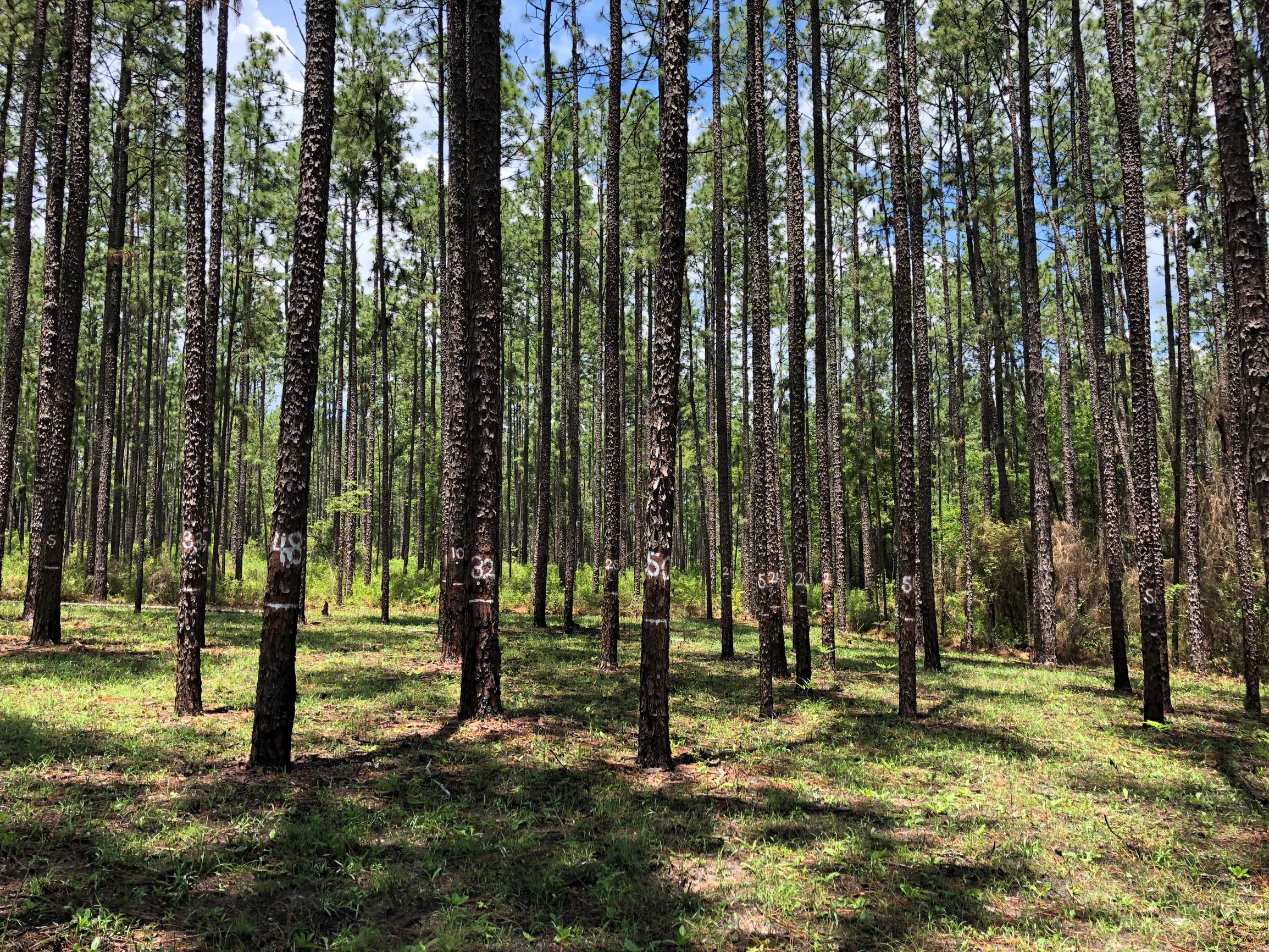
Another concern below ground is heartwood content. Faster-growing, younger trees used in commercial lumber have a higher proportion of sapwood, which absorbs treatments more readily than heartwood. This shift makes preservative penetration both more important and sometimes more challenging.
Chemical Treatments: The First Line of Defense
Pressure-treated lumber has long been central to post-frame protection. This process infuses preservative chemicals deep into the wood, creating a treated zone that resists decay and insect damage throughout the structure’s expected lifespan.
The American Wood Protection Association (AWPA) establishes standards governing treatment retention levels and penetration depths for different use categories. For vertical posts in post-frame applications, the relevant specification is UC4B: Ground Contact, Heavy Duty — a category designed for posts in severe environments, high-deterioration-risk climates, or critically important structural components. This standard is referenced directly in both the International Building Code (IBC) and the International Residential Code (IRC).
Transition from CCA to Modern Copper-Based Systems
For most of the 20th century, chromated copper arsenate (CCA) was the dominant preservative for pressure-treated lumber in residential and agricultural applications. Its effectiveness was well established, and it became the industry standard for ground-contact applications, including post-frame construction.
In January 2004, CCA was phased out for most residential uses in the United States due to concerns about arsenic, a known carcinogen, in its formulation. This led to the adoption of new copper-based preservatives, primarily alkaline copper quaternary (ACQ) and copper azole (CA).
Both ACQ and copper azole use copper as the main fungicidal and insecticidal agent, without arsenic. Their water-based formulations leave wood surfaces dry and paintable after drying. These treatments are approved for lumber, fence posts, building poles, utility poles, decking, and other structural uses.
“Koppers Performance Chemicals is a global leader in the development of progressive wood preservative systems and technologies. CCA provides protection from termites, fungal decay, and is one of the most effective wood preservatives available.”
— Koppers Performance Chemicals
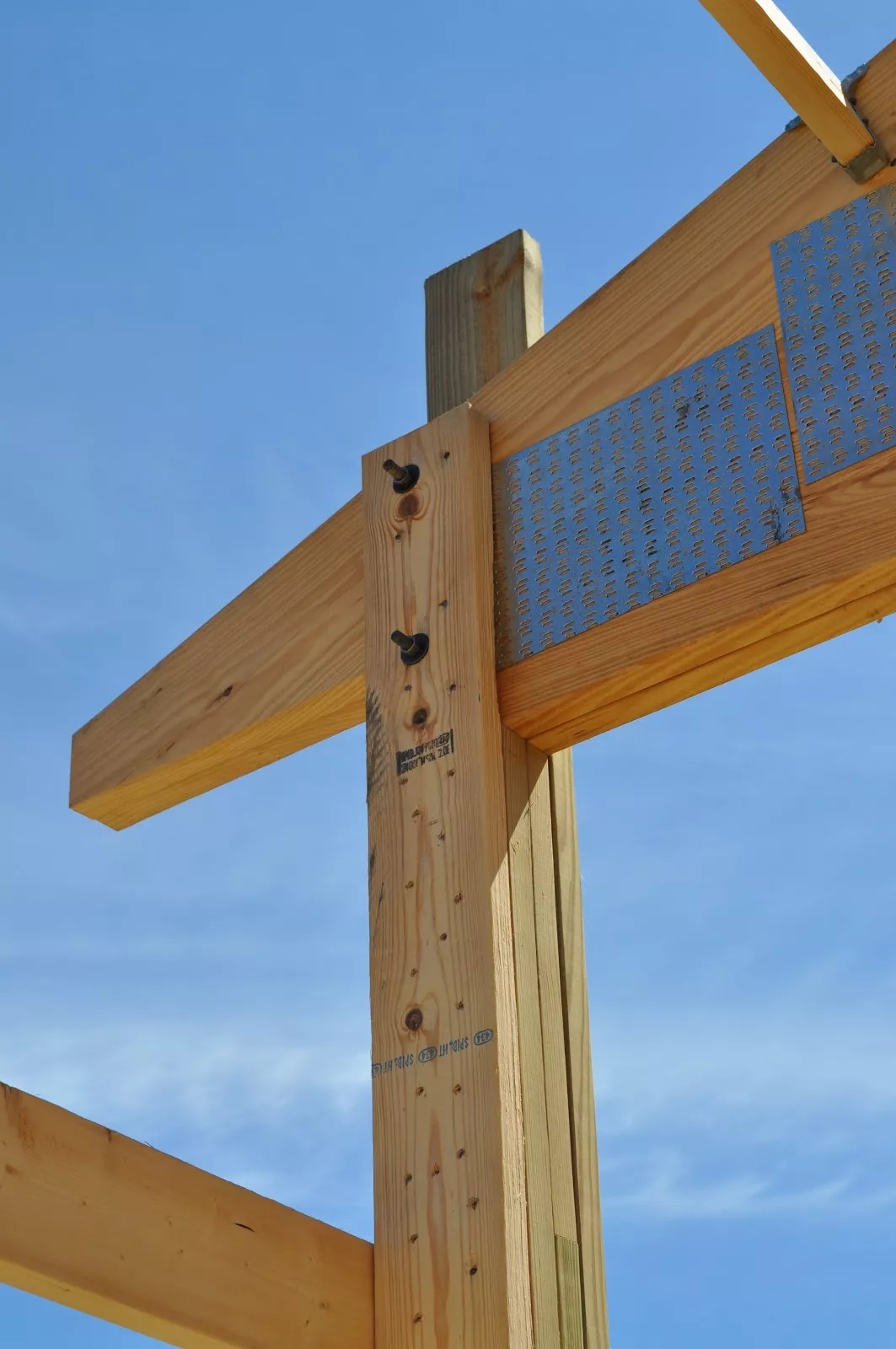
Builders should note that modern copper-based preservatives are more corrosive to metal fasteners and hardware than CCA. Hot-dipped galvanized steel, stainless steel, or other corrosion-resistant fasteners are required for ACQ- or copper azole-treated lumber. Bare aluminum in contact with copper-treated wood can corrode quickly, so a barrier material may be necessary at metal-to-wood interfaces such as door and window jambs.
Micronized Copper: A More Uniform Distribution
Micronized copper technology refines the standard copper-based approach by grinding copper particles to a very fine size before adding them to the treatment solution. Micronized copper azole (MCA) distributes more evenly throughout the wood, reaching areas where liquid uptake may be inconsistent.
Supporters of micronized formulations claim they achieve better penetration in difficult wood species and heartwood, which are more common in younger timber. The smaller particle size also reduces surface color variation, resulting in a more uniform appearance.
The Importance of Retention Levels and End-Cut Treatment
Pressure-treated lumber varies by retention level, which is the amount of preservative in the wood, measured in pounds per cubic foot. UC4B specifications require higher retention than above-ground treatments to address harsher underground conditions.
Cutting treated lumber on-site exposes untreated interior wood. Applying a field-applied preservative to these cuts is standard practice and recommended by manufacturers and standards bodies. Brush-on copper naphthenate is commonly used and should be applied wherever raw wood is exposed by cutting or drilling.
Builders should inspect treated lumber before installation. Look for a treatment stamp indicating type and retention level. Consistent color suggests even treatment; uneven coloration or a different hue at the core may indicate poor penetration. Splits or checks exposing untreated wood are also a concern, as they allow moisture and organisms to reach unprotected fibers.
“Micro-organisms are feeding on the filet mignon — the center of the post that never got chemical protection. Splits expose internal, untreated material, and the microorganisms can pounce on it. That’s when you get core decay.”
— David Gruhlke, Plasti-Sleeve
Barrier Products: The Second Line of Defense
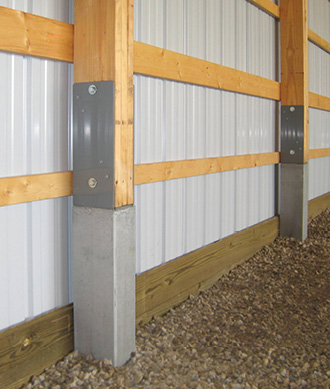
Chemical treatments protect wood by making it toxic or unappealing to wood-destroying organisms. Barrier systems, in contrast, physically separate wood from the environment that causes decay. Eliminating soil-to-wood contact removes the primary access point for decay organisms.
Physical barriers have advanced significantly over the past three decades, evolving from simple plastic wraps to factory-engineered systems with proven performance and code recognition. Today, barriers are used both as standalone protection and as a complementary layer to extend the life of chemical treatments.
Polyethylene Sleeve Systems
The initial barrier concept for post-frame construction involves encasing the below-ground portion of the post in a polyethylene sleeve to prevent direct wood-to-soil contact. Plasti-Sleeve, introduced in 1994, pioneered this product category.
HDPE (high-density polyethylene) sleeves are installed over the below-grade section of posts before placement. Polyethylene is chemically inert in soil and has a much longer in-ground service life than wood, ensuring the protective layer remains effective. The sleeve blocks soil microorganisms from reaching the wood, preventing decay.
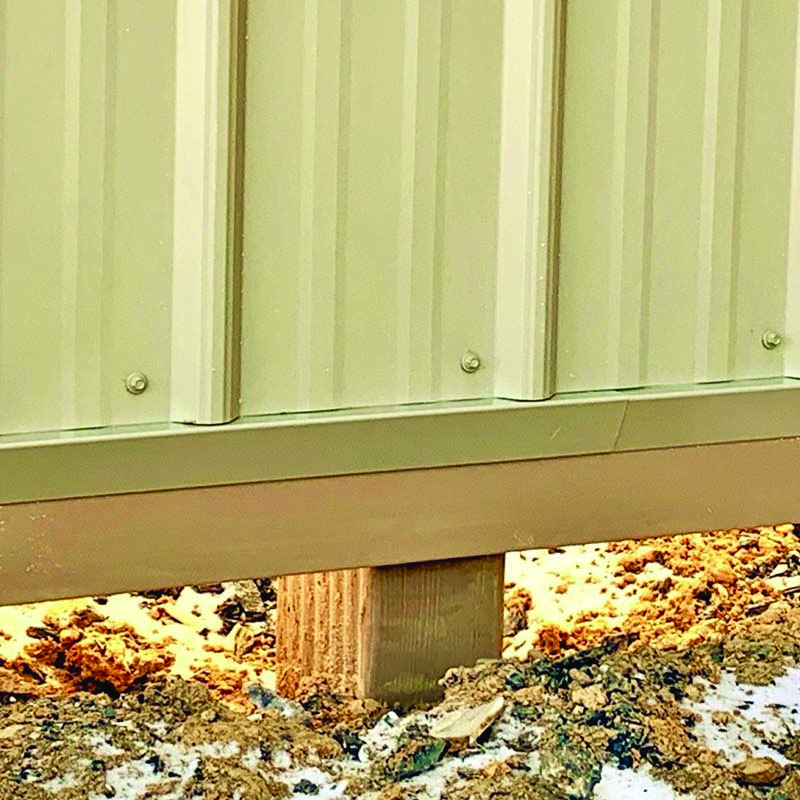
“Post Protector separates the post from ground contact and the micro-organisms that dwell within. The micro-organisms can never get to the wood.”
— Post Protector product description.
These sleeves are effective because decay requires organisms to physically access wood fibers, in addition to moisture, oxygen, and suitable temperature. A well-fitted sleeve eliminates soil-to-wood contact, blocking decay fungi and insects. While chemical treatments may degrade over time, a properly installed physical barrier remains effective.
Sleeve products come in various sizes for common post dimensions such as 4×4 and 6×6. Builders should ensure a snug fit with no gaps and pay special attention to the grade-level fit, as the soil-to-air transition zone is often the most aggressive decay environment.
Dual-Layer Heat-Sealed Systems
A more advanced barrier approach uses multiple layers and factory-applied coatings for a stronger, more consistent seal.
This method offers several advantages. Factory application ensures consistent coverage, while the bituminous inner layer seals against moisture at the wood-barrier interface, addressing a vulnerability in simpler sleeves. The system also retains preservative chemicals within the post, preventing leaching and maintaining treatment effectiveness.
Time-Release Chemical Remediation
For existing posts with early decay or as a supplement for new installations, time-release preservative systems provide another option. Products like Post ProServative are inserted into the post and deliver preservative from the inside out, creating a “tough barrier system” that blocks soil-to-wood and concrete-to-wood contact pathways.
These products use technology first developed for utility pole maintenance, where in-service re-treatment is valuable due to the high cost of replacement. With over 25 years of use in utility applications, they have a strong field performance record.
Laminated Columns: Engineered Posts with Built-In Protection Advantages
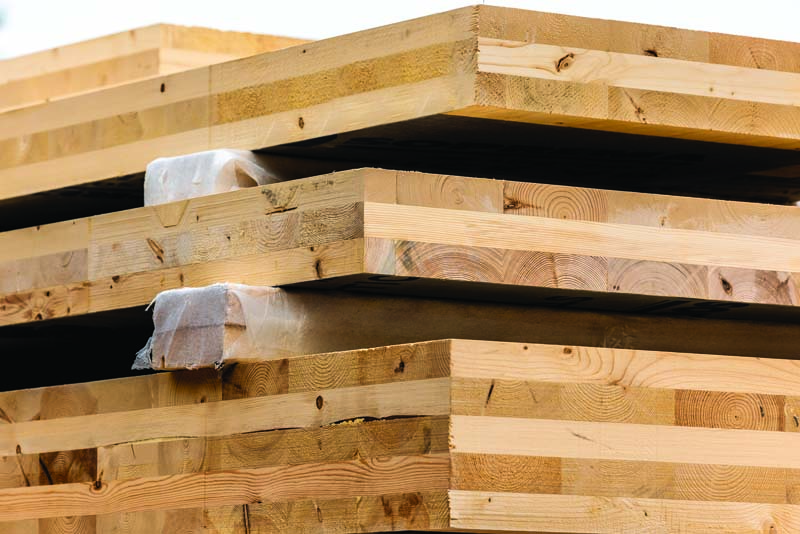
While solid-sawn 6×6 posts are still common, glue-laminated (glulam) and nail-laminated columns are increasingly used in post-frame foundations. These engineered products are typically straighter, lighter, and stronger than solid-sawn posts, but require specific wood protection considerations.
Laminated columns are made from individual boards that can be treated before assembly, allowing preservative to penetrate the full cross-section of each piece. This addresses the heartwood penetration challenge found in large solid-sawn timbers, where interior areas may receive limited treatment.
“Years ago, we recognized post decay happens, and we’ve taken on a couple of different products that will help you.”
— Richland Laminated Columns
Many laminated column suppliers now offer integrated barrier protection. For example, Richland Laminated Columns provides factory-applied GreenPost wraps on laminated posts, delivering them ready for installation with dual-layer protection. This approach eliminates a field installation step and ensures consistent coverage.
Combining laminated construction, which allows better treatment penetration, with factory-applied barrier protection is considered best practice for post foundation longevity. This approach addresses both chemical and physical aspects of decay protection in one product.
Choosing the Right Approach for Your Projects
With many products and approaches available, builders should consider several key factors when selecting wood protection for their projects:
Site and Climate Considerations
Geography plays a major role in wood protection. The AWPA’s Use Category system and Decay Hazard Map show that biological risk varies across North America. High-moisture, warm climates, such as the Southeast, have more aggressive decay conditions than drier, cooler regions. Regional requirements may mandate higher retention levels in high-hazard zones.
Soil chemistry is also important. Some soils retain more moisture and support higher concentrations of wood-destroying organisms. Sites with poor drainage, high organic content, or a history of wood decay require extra protection.
Building Use and Expected Service Life
Different building types have varying service life and maintenance expectations. As post-frame buildings are used for more applications, including residences and commercial structures, protection strategies should match the importance and use of the building.
Combining barrier systems with chemical treatments is a complementary approach. Chemical treatments protect wood from biological attack, while barriers prevent organisms from reaching the wood and reduce chemical leaching. Together, they provide greater durability than either method alone.
Hardware and Fastener Compatibility
When specifying chemical treatments, builders must ensure that hardware, fasteners, and adjacent metal components are compatible with the preservative. Modern copper-based treatments are more corrosive than CCA, so hot-dipped galvanized or stainless steel fasteners are required for ACQ- and copper azole-treated wood. All hardware should meet the same corrosion-resistance standard.
When using barrier wraps, ensure that any penetrations for fasteners are properly sealed to maintain the integrity of the protective barrier.
Regulatory and Code Compliance
AWPA standards are referenced in both the IBC and IRC, making compliance with AWPA Use Category specifications a building code requirement. Builders should confirm that specified treated lumber meets UC4B retention requirements for ground-contact use and that treatment stamps are present and legible.
Barrier products with third-party testing and certification offer documentation for inspectors and building officials. For example, GreenPost has a TER (Technical Evaluation Report) certification for its structural and protective performance.
Looking Ahead: Trends in Wood Protection
The wood protection industry is evolving, with ongoing research into new preservative chemistries, biocide combinations, and treatment methods. The shift to faster-growing timber with different heartwood-to-sapwood ratios increases the value of complementary barrier systems, even when chemical treatments are properly applied.
Environmental factors are influencing product development. The move from CCA to copper-based treatments was driven by regulatory concerns about arsenic, and future changes may further alter preservative chemistry. Non-toxic physical barriers are gaining popularity as they protect wood without chemical leaching.
For builders, wood protection in post-frame construction requires a tailored approach and should not be minimized. Posts are the foundation, and selecting appropriate chemical treatments and barrier systems for the site, climate, and application is a critical decision for every project.
Sources & Resources
Industry Organizations & Standards
• American Wood Protection Association (AWPA) www.awpa.com
• U.S. Environmental Protection Agency www.epa.gov/ingredients-used-pesticide-products/overview-wood-preservative-chemicals
• American Wood Council (AWC) — National Design Specification (NDS) for Wood Construction www.awc.org
Companies Referenced in This Article
• Koppers Performance Chemicals
www.koppersperformancechemicals.com
• Planet Saver Industries GreenPost
www.planetsaverind.com
• Post Protector www.postprotector.com
• Plasti-Sleeve www.plastisleeve.com
• Richland Laminated Columns www.richlandcolumns.com