
Originally Published as: Windows for Post-Frame Buildings: Details for Matching Form to Function
Windows in post-frame construction serve a range of purposes—from providing simple light and ventilation in agricultural sheds to contributing to the comfort, efficiency, and curb appeal of barndominiums. Early post-frame windows were utilitarian: often aluminum 4×3 sliders or single-hung models that let in daylight without much thought to aesthetics or energy performance. Those still have their place in machine sheds and some barns, but modern post-frame buildings often aim to look and perform more like conventional homes. That evolution has pushed window technology and selection far beyond “whatever fits the opening.”
A window that performs well in a horse barn is not necessarily right for a living space, and vice versa. Builders today must weigh structural considerations, exposure, maintenance demands, and even animal behavior when specifying windows. In an equestrian arena, for example, the window should be high enough that a horse’s kick won’t make contact. Safety glass is a must. In hog barns or milking parlors, where chemicals, humidity, and corrosion are constant threats, wood frames are off the table and vinyl or aluminum become the go-to choices.
The key is understanding the environment and function of each space—whether the window’s main role is light, ventilation, or energy control—and matching materials and details accordingly.
Material Choices
For post-frame builders, the most common window frames are vinyl and aluminum. Vinyl has become the standard choice for its combination of efficiency, durability, and low maintenance. It resists moisture and rot, doesn’t require painting, and provides better thermal resistance properties even compared to an aluminum frame with a thermal break. For residential-style post-frame buildings, vinyl may deliver the best balance of performance and cost.
Aluminum still has its uses, particularly in large openings or commercial-grade applications where structural strength matters more than energy performance. It’s strong, rigid, and available in commercial-grade extrusions that give a clean, professional look. The drawback is conductivity—without a thermal break, aluminum transfers heat and cold readily, leading to condensation and higher energy loss. Quality models include a built-in thermal break, but they remain less efficient than vinyl or composite alternatives.
Fiberglass and composite window frames, while less common, are gaining interest. They expand and contract at a similar rate to glass, which can minimize stress and seam failure over time. Fiberglass can be painted for color flexibility, but it can scratch, and paint degradation can follow. Wood or wood-clad windows still appeal to some homeowners for aesthetic reasons, but they demand more upkeep and are rarely used in working post-frame environments.
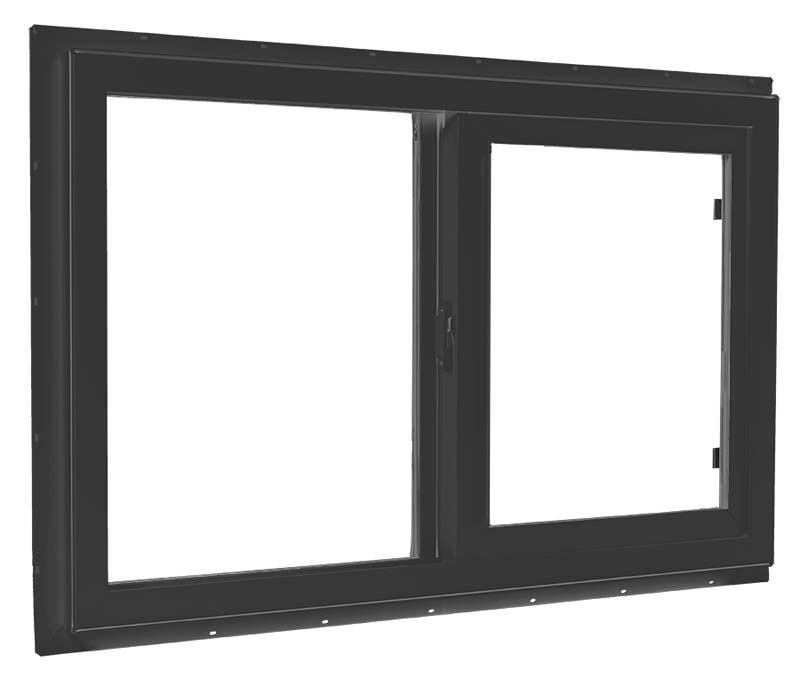
For agricultural or animal structures, vinyl or aluminum thermal break windows work well. In barns, vinyl resists moisture and cleaning chemicals, while aluminum offers rigidity and durability. Often these windows offer a range of colors to match siding. Some manufacturers offer up to forty color options at the same price as white, simplifying design consistency across the façade.
Energy and Performance
Energy efficiency may not matter much in a machine shed, but it’s essential in any conditioned post-frame building. Builders should look for NFRC-certified products that list U-values, Solar Heat Gain Coefficients (SHGC), and air infiltration ratings. In most U.S. climates, a U-value below 0.30 is considered good performance, the lower the number, the better the insulation. In colder zones, higher SHGC values can help capture winter sun; in warmer areas, lower SHGC helps keep interiors cooler.
Today’s residential-grade vinyl and composite windows typically feature double-pane insulated glass filled with argon gas and coated with low-emissivity (Low-E) films to reflect infrared energy. This combination can roughly double efficiency of the window compared to basic glass and meet or exceed Energy Star standards in some regions.
Builders should note that Energy Star labeling is evolving, and required standards imposed through local codes increasingly define minimum energy performance by climate zone. A storage shed with a single-pane slider might be fine in an unheated space, but once a structure is used as a living area, office, or conditioned workspace, the windows must be National Fenestration Rating Council (NFRC) certified and meet the local residential energy code requirements. Failure to do so can complicate future resale or code inspection.
Beyond thermal numbers, material quality affects longevity. High-end vinyl resists UV fading thanks to titanium dioxide additives; lower-grade recycled vinyls can discolor or chalk over time. Aluminum joints that are screwed rather than welded can let in moisture, leading to oxidation at corners. Builders should verify construction details and warranties—many residential-grade vinyl windows now carry lifetime or double-lifetime warranties, including protection against fogging or seal failure.
Installation and Detailing
A high-quality window can still fail if it’s installed poorly. Proper shimming, fastening, and sealing make the difference between a tight, long-lasting fit and a callback months later.
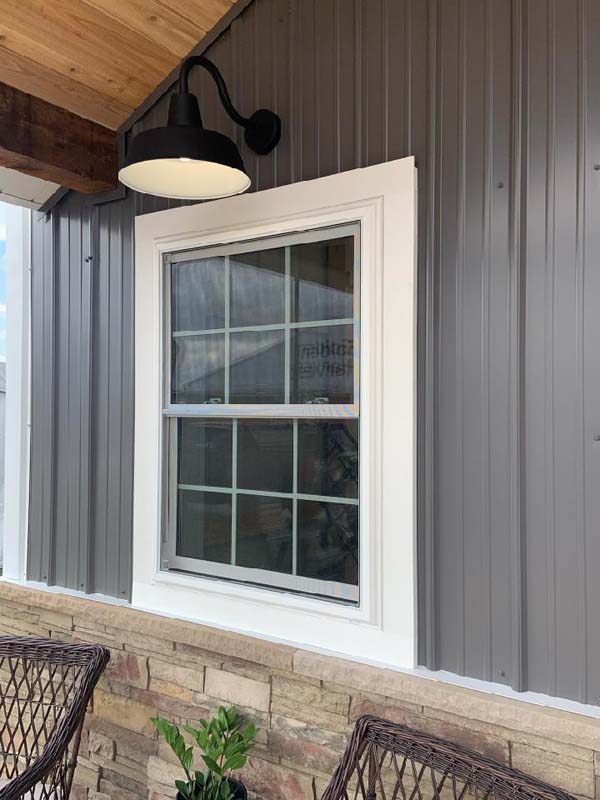
Vinyl windows expand and contract with temperature, so they must be allowed to move slightly within the opening. Over-shimming or overtightening fasteners can distort the frame, especially in dark colors that absorb heat. Fasteners should be snug, not torqued down, and preferably set in slotted holes or secured with large-headed roofing nails. Shims belong under the window to create a solid foundation for the window to rest upon at key load points — under the bottom corners for double-hungs, thirds for sliders — so weight is evenly supported.
A common mistake passed down from installer to installer is not leaving shims under the frame in place and filling the gaps with expanding spray foam. The foam alone cannot support the window and as expansion and contraction cause the window to settle into the foam, it can create a bow in the window frame that may not show until months later. That subtle crown will throw the sash and frame out of square making it hard to open or seal properly. Use low-expansion foam designed specifically for windows and doors; it provides excellent insulation and creates a clean, effective seal. Apply it between the shims and around the rest of the window. Before fastening anything, make sure the window is properly leveled and plumb.
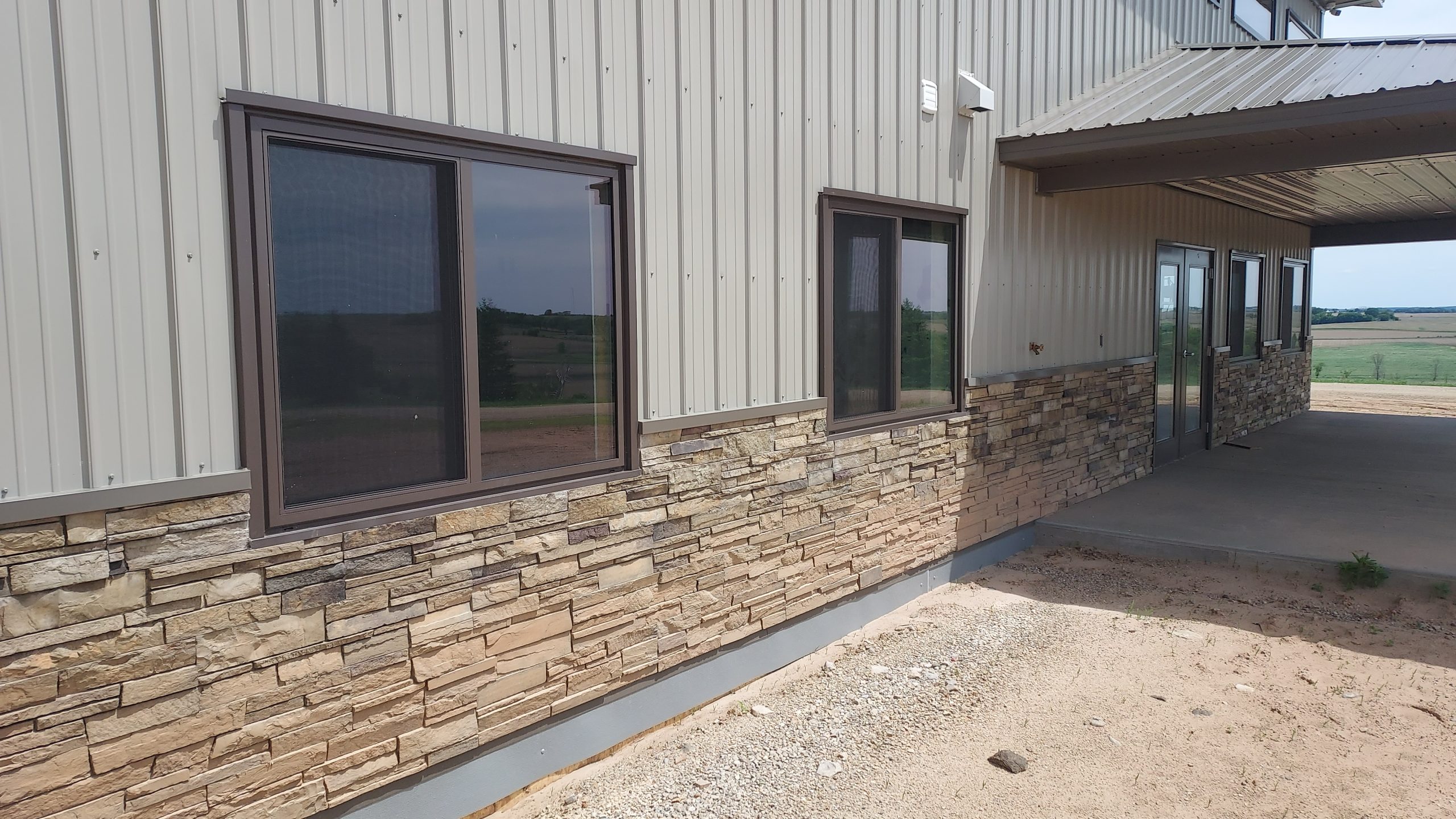
Flashing and trim details also separate a professional job from a problem job. Nail fins should be integrated with the wall’s weather barrier, taped or rolled over the flange, and inspected before siding is installed. In metal walls, J-channel trim provides a clean, water-managed transition, but it must be sealed properly to prevent capillary leaks.
Whether flanged or flangeless, every window system should provide a drainage plane and protection against moisture intrusion at the sill. Euro-style flangeless systems, now appearing in higher-end post-frame builds, can reduce exposure to the elements and enhance performance if detailed correctly.
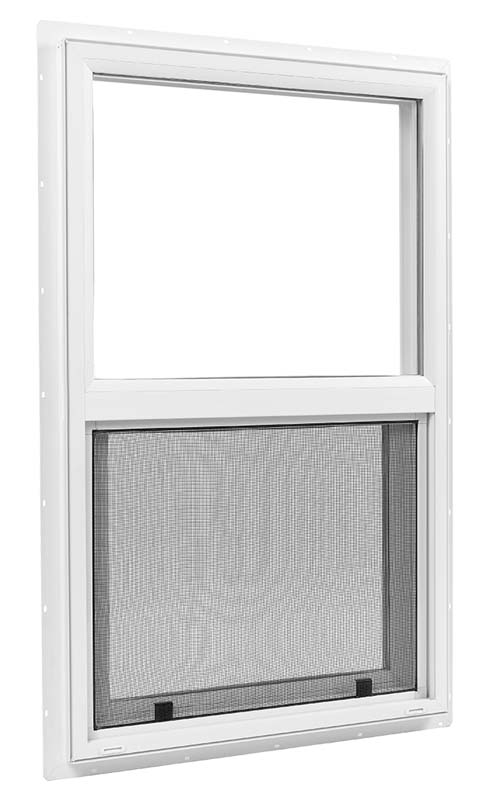
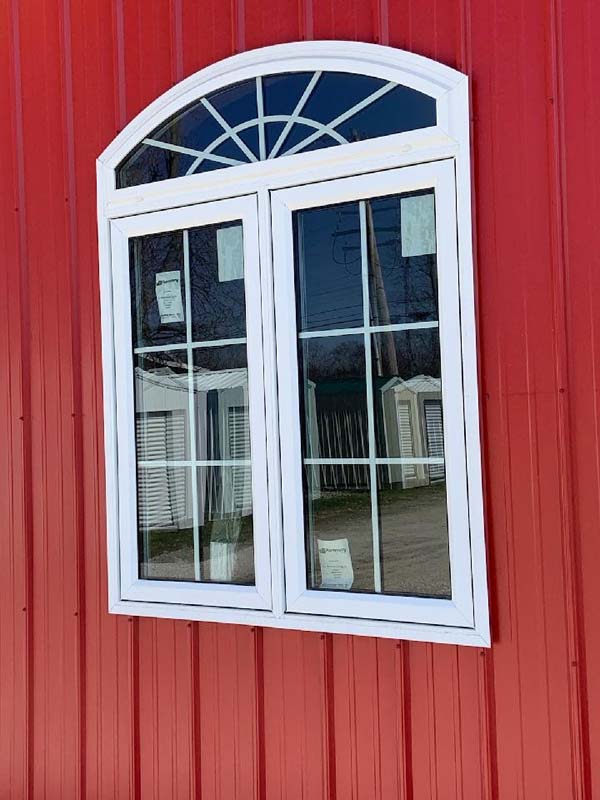
Photo courtesy of Plyco.
Common Pitfalls and Long-Term Value
The biggest installation errors come from skipping steps: not prepping the rough opening correctly, ignoring leveling and squaring, or mismatching window type to performance requirements.
When prepping the opening, remove debris including bits of dry wall and dried caulk. Adjust for fit; if the opening is too small, reframe it to fit. Make sure the window is plumb and level. Ensure the bottom edge of the opening is angled downward to the exterior so that water will flow away from the window.
If the window is not square, even slightly exceeding a tolerance of 1/32” can show visually or cause performance issues. Builders accustomed to single-pane ag windows sometimes underestimate the precision needed for modern, heavier, double-glazed residential units. Check the square of the window off the sash. Check the sash to the frame reveal by sliding the sash open 1/8” to be sure it will contact the frame perfectly when closed. The 1/8” reveal should be equal across the entire plane; if that 1/8” reveal is equal, you know the sash will seal properly to the frame. Levels and squares are helpful but the most important thing about installing a window is that the sash closes and seals evenly and tightly to the frame.
Compatibility matters. Fasteners should be matched to the substrate — metal-to-metal or metal-to-wood — using manufacturer-specified sizes and coatings. In post-frame walls with horizontal girts, framing the opening with proper headers, king studs, and jacks ensures both strength and code compliance. For barndominiums that mix post-frame and 2×6 infill walls, box-frame or replacement-style windows can simplify detailing, especially with stucco or brick finishes.
Sealants and finishing compounds can make a difference in performance, too. A top-tier exterior sealant synthetic caulk can provide superior movement capability and weather resistance for trim joints, while 100% silicone is often sufficient for perimeter seals. The goal is flexibility—rigid sealants crack as the building expands and contracts.
Condensation is another consideration. Even the best glass will show moisture if interior humidity is high and exterior temperatures drop. Low-E coatings and argon fill help, but air circulation and humidity control inside the building are part of the solution. Windows need air movement and heat across the window plane because a warm window will not have condensation. Customers need to know that while ceiling fans and furnace fans move air, blinds or heavy drapery on windows can block the heat from getting to the window, potentially leading to condensation. A fogged insulated window unit, however, usually means the perimeter seal has failed. Good manufacturers warrant against that for at least five years, often much longer.
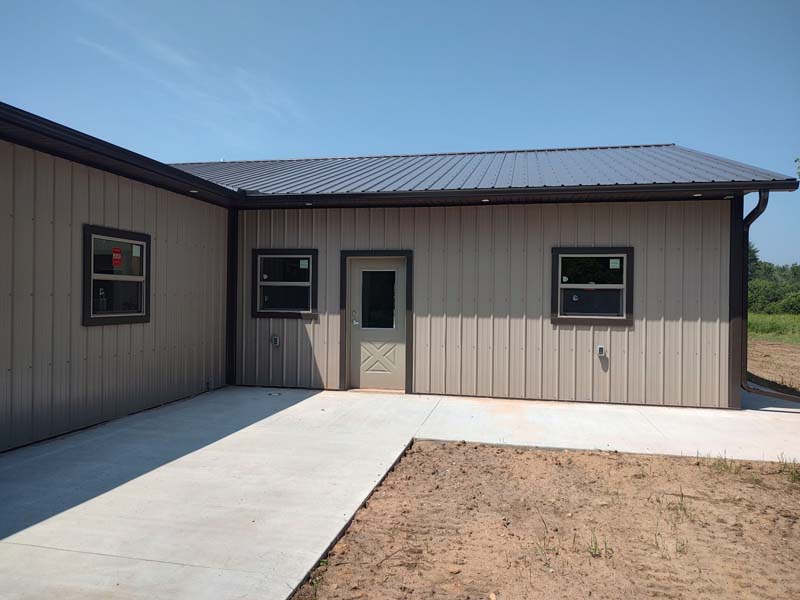
In agricultural applications, durability may outweigh efficiency. In horse barns, tempered glass prevents dangerous shards if broken. Grilles mounted inside the glass can help keep animals from breaking glass or screens. In machine sheds, builders often choose robust aluminum-framed windows for impact resistance and ease of cleaning, while still maintaining a consistent exterior appearance with adjoining structures.
The Builder’s Takeaway
Post-frame builders enjoy more flexibility than ever in window selection, but with that freedom comes responsibility. Every project—whether a hay barn, a horse arena, or a high-end residence—demands a clear understanding of how the window interacts with the structure, the environment, and the end use. Energy ratings, materials, and installation details all affect long-term performance.
In the end, the right window is the one that fits the building’s purpose and stands up to its conditions. Match the specification to the function, use proper installation techniques, and pay attention to materials and warranties. Those small decisions make the difference between a building that merely looks good at handoff and one that performs well for decades.
RESOURCES
- A.J. Manufacturing, Inc. • www.ajdoor.com
- J&E Grill Manufacturing • www.horsebarnsupplies.com/
- Plyco Corp. • www.plyco.com
- Shed, Windows & More • https://shedwindowsandmore.com/