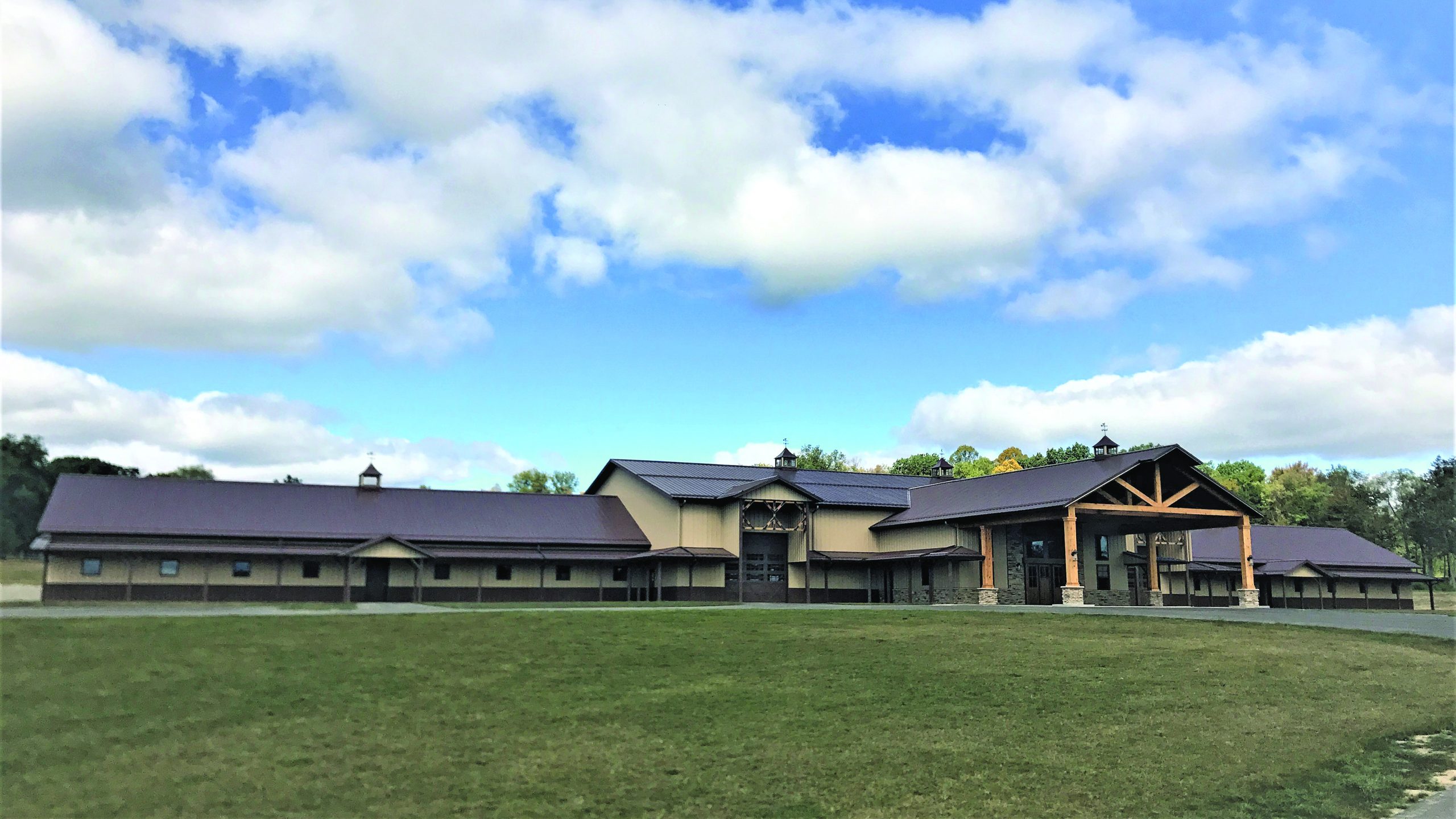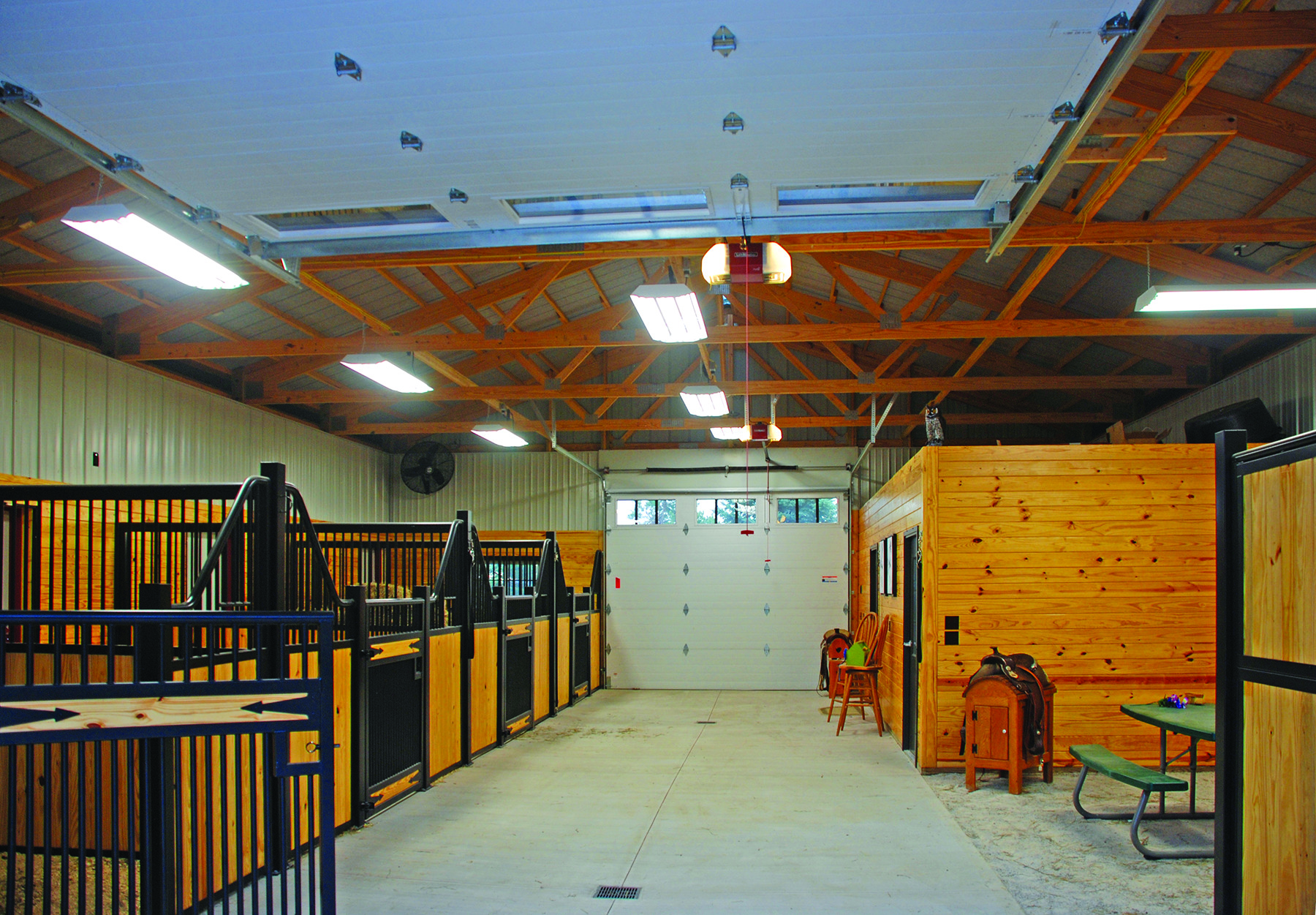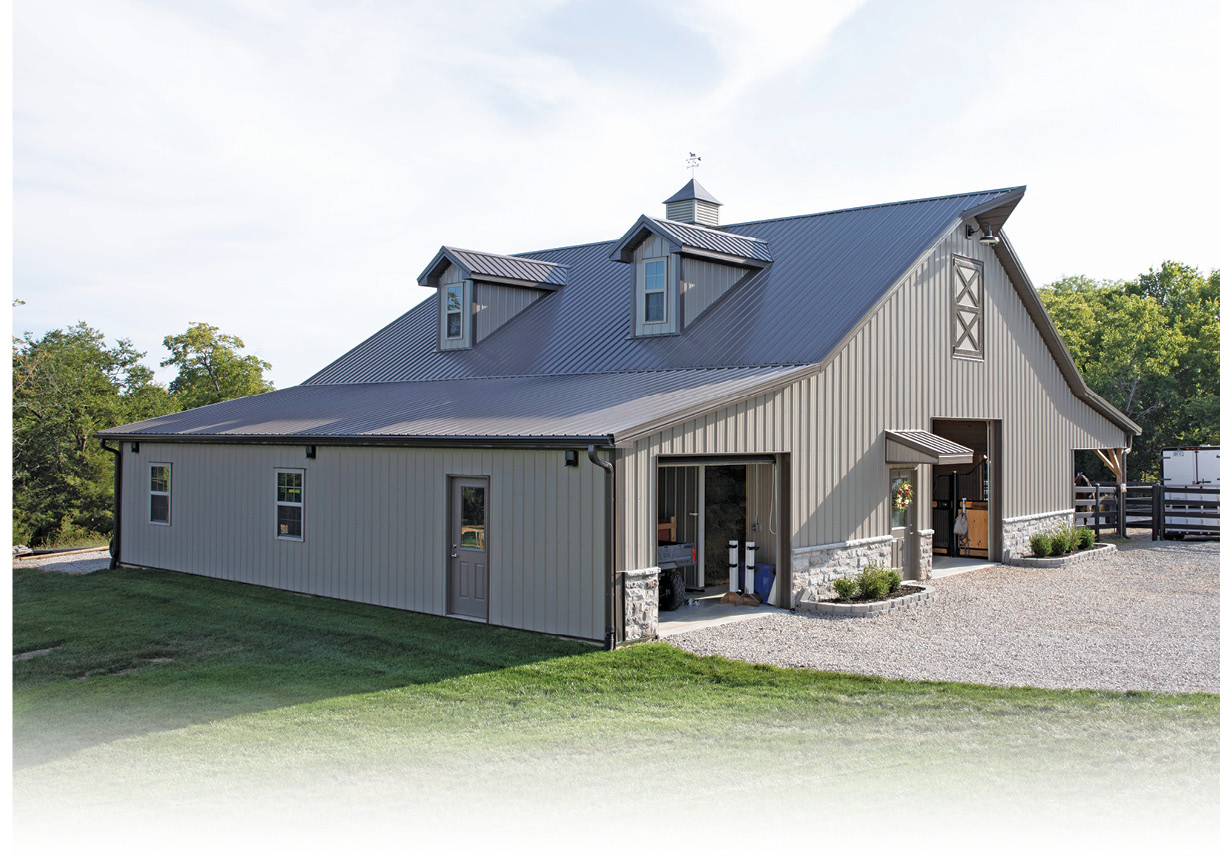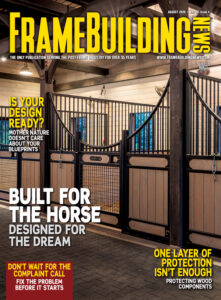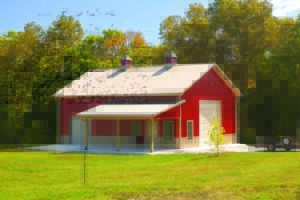

Building equine-related facilities means taking a careful approach to ensure safety, functionality, and longevity. This article explores some of the materials, hardware, and equipment that post-frame builders should consider when designing horse facilities that are meant to please and built to serve their purpose long into the future.
Foundational Elements
A reliable foundation is crucial for any durable post-frame structure because it serves as the base that supports the entire building—both structurally and functionally. To ensure the foundation lasts, there should be no direct contact between the wood and the ground, and no wood should be exposed to the environment.
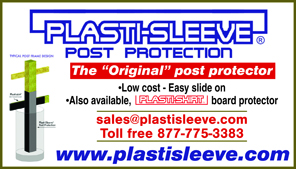
Post Protector™ is a slide-on barrier system designed to eliminate direct soil-to-wood or concrete-to-wood contact, preventing damage-causing moisture and microorganisms from accessing the wood. It eliminates the potential for anything harmful to reach the post. The barrier also keeps the wood preservatives where they belong: in the post.
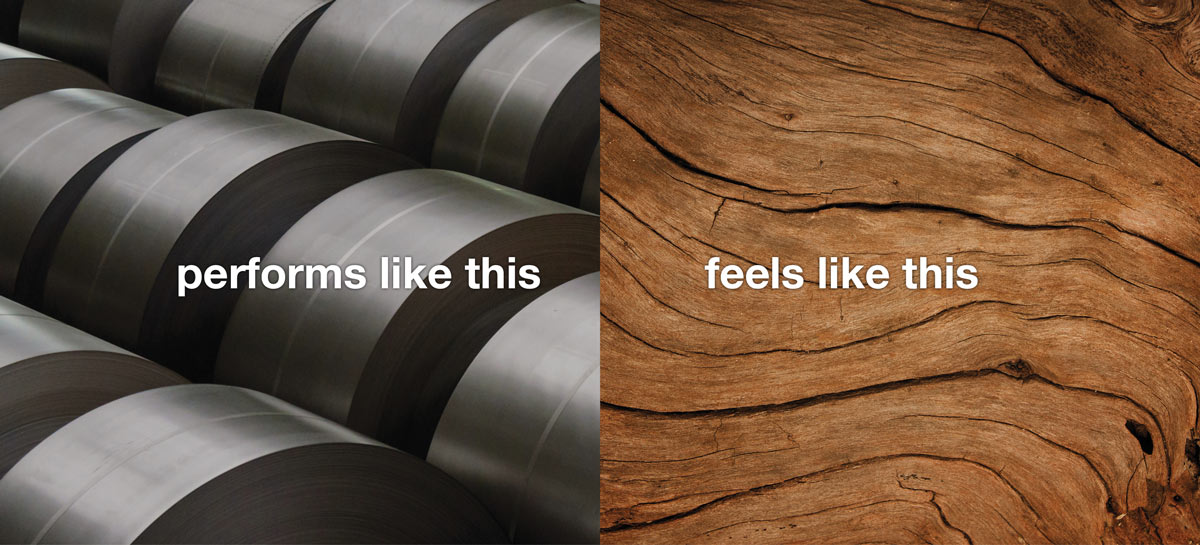
AkzoNobel’s CERAM-A-STAR Expressions is a coil coating that contributes to aesthetics and longevity. Photo courtesy of AkzoNobel
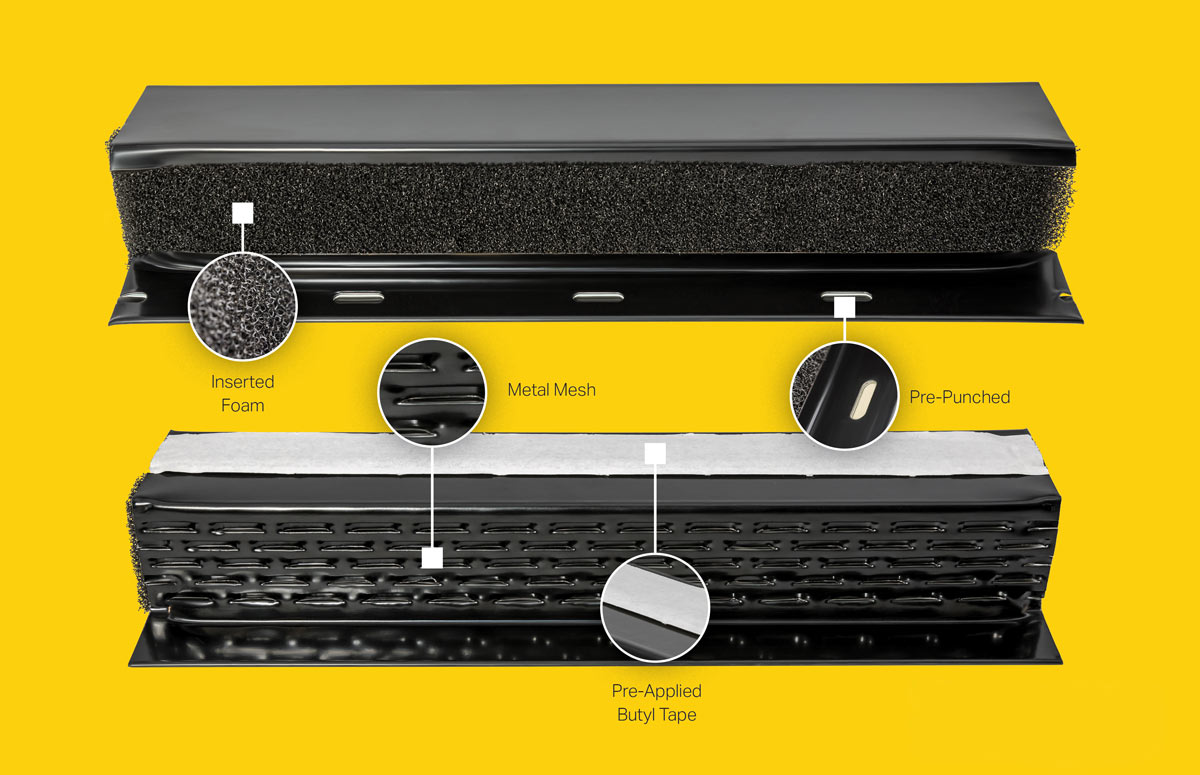
A closer look at Snap-Z vent closures, courtesy of Snap-Z.
Snap-Z vent closures blend into the shadow of the ridge cap. Photo courtesy of Snap-Z
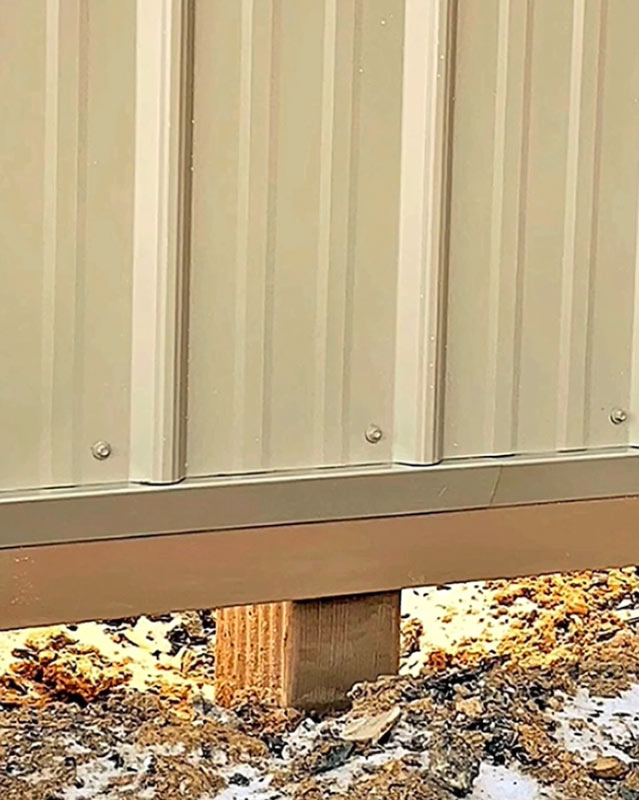
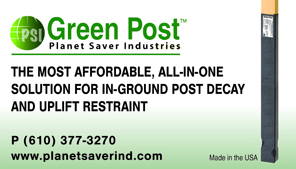
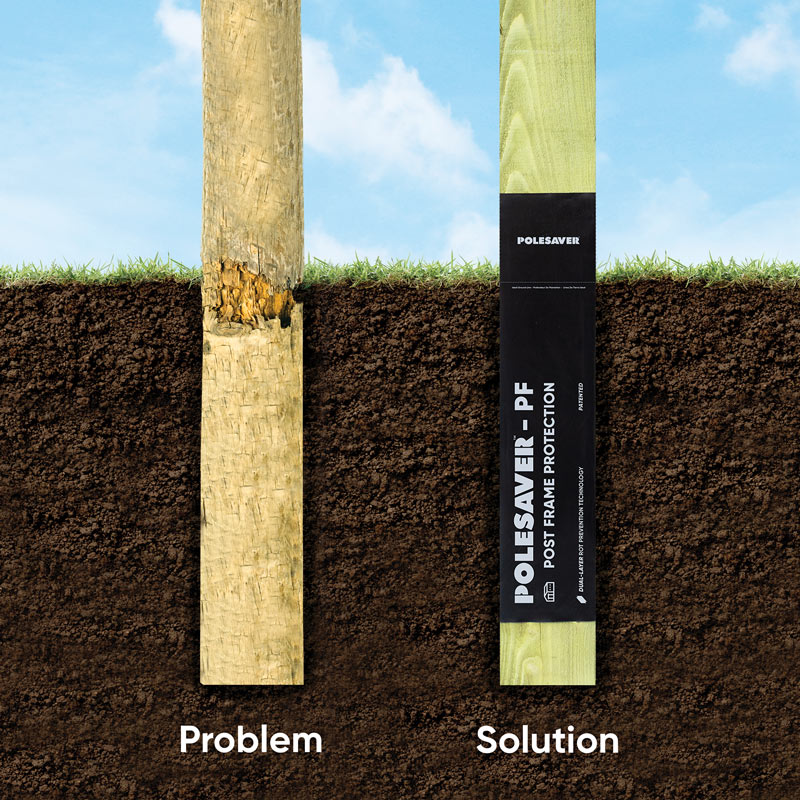
Other solutions for protecting wooden posts from decay-causing elements in the ground include GreenPost™ and Polesaver™-PF. GreenPost™ polyethylene-wrapped laminated columns have multiple features that benefit equine buildings. They are shaped with below-grade notches to prevent uplift and are wrapped and sealed with a barrier that retains the wood preservative and protects it from exposure to elements that can degrade the wood.
Polesaver™-PF protective post wrap is a non-toxic, composite barrier that features an outer thermoplastic sleeve and an inner meltable bituminous liner. When applied to a post and then heated, the liner melts, and the outer sleeve shrinks tightly onto the post, creating a tough, air- and watertight seal. The seal permanently excludes all the factors necessary for wood decay to occur, making conventional ground-line decay impossible.
Horse structures built in high-moisture zones often face harsh in-ground conditions. A decaying post loses strength and can eventually compromise the building’s structural integrity. Protecting the post from degradation using appropriate measures, such as those listed above, helps ensure that the full load-bearing capacity of the post is maintained for decades.
Furthermore, since vertical posts transfer loads directly into the ground or a foundation system, the strength and stability of that base determine the longevity, safety, and performance of the entire structure.
Composite footing systems like FootingPad® contribute to a solid post-frame foundation by providing a strong, stable, and code-compliant alternative to traditional concrete footings. They are engineered to spread the structural load of a post or column over a wide area, reducing soil pressure and minimizing settling—key elements of a durable and long-lasting post-frame building.

One of the primary functions of any footing is to distribute the weight of the structure evenly over the soil. The FootingPad accomplishes this with a wide base that disperses downward forces and reduces the chance of post settlement or uneven sinking. In areas with soft or unstable soils, a narrow post or concrete pier might sink over time. The broad surface of the FootingPad helps maintain structural integrity by distributing the load, making it an effective option for varied soil conditions.
Compatible with post foundation products like Perma-Column® and GreenPost™, the pads come in sizes from 10” to 24”, with the largest capable of supporting up to 9,327 pounds per post. Furthermore, the composite material is moisture-resistant, won’t rot, and is not affected by freeze/thaw cycles, as it is set below the frost line per local requirements. This long-lasting durability contributes to the building’s overall structural health, which is an important feature considering the owner’s significant investment in the building.
Perma-Column® (or Sturdi-Bracket in concrete slab applications) contributes significantly to a solid and long-lasting post-frame foundation. It replaces the in-ground portion of a traditional wood post with a precast concrete column for a lifetime foundation. This hybrid system eliminates the most common point of failure in post-frame construction—wood decay below grade—while maintaining the speed and economy that post-frame building is known for.
Over time, moisture, bacteria, and insects can break down even pressure-treated wood. Perma-Column prevents post rot by replacing the in-ground portion with concrete, eliminating contact between the post and the soil. Furthermore, the concrete column provides superior resistance to uplift (wind forces pulling the post out of the ground) and lateral movement. This is particularly beneficial in tall buildings such as stables with lofts, open-walled structures like riding arenas, or high-wind zones.
Structural Components
The backbone of any equine facility lies in its structural components. Rigidply Rafters manufactures glue-laminated arches, beams, and posts, offering both aesthetic appeal and strength. Glue-laminated arches and posts add a refined aesthetic to post-frame horse barns and riding arenas. Their natural wood appearance brings warmth and character to a structure, creating a welcoming and visually pleasing environment for both horses and people.
The smooth, uniform finish of glulam components offers a clean, crafted look that elevates the space beyond utilitarian design. In arenas, the curve of glulam arches allows for wide, open spans without interior supports, producing an airy, upscale interior. The exposed wood adds rustic charm and architectural interest. Glulam’s ability to be custom-shaped into curves or unique profiles also provides opportunities for personalized design touches. At the same time, its strength and dimensional stability ensure that this beauty is matched by long-lasting performance. Together, these qualities make glue-laminated arches and posts a standout feature in equine facilities, combining visual appeal with structural integrity.
Richland Laminated Columns also supplies glue- and nail-laminated posts, which are solid upgrades over untreated solid-sawn posts and represent modern, reliable solutions for today’s post-frame construction demands. Laminated posts offer exceptional strength, often outperforming solid-sawn lumber of the same dimensions. Their high load capacity makes them ideal for applications where structural integrity is critical, such as large-span buildings like riding arenas or areas with high snow or wind loads. Furthermore, the laminated construction reduces warping, twisting, and cracking. This results in straighter, more uniform posts that are easier to work with and install accurately.
Because of their strength and stability, glulam posts can be used for taller walls and longer spans without intermediate support, expanding design possibilities. They also have an aesthetic appeal, as they can be finished attractively—making them well-suited for equine facilities, where many horse owners place a high value on aesthetics. Furthermore, glulam and nail-lam columns are compatible with the previously mentioned foundation components like Perma-Column, Sturdi-Bracket, FootingPad, Post Protector, and others.
Roofing and Siding
Horses’ environments demand roofs that can withstand both weather and barn conditions. Metal panels are strong, fire-resistant, and low maintenance, making them a favorite choice. For premium, long-lasting equine structures, standing seam metal roofing excels thanks to its leak resistance, modern appearance, and ability to support systems like solar panels. Heavy-gauge exposed-fastener panels—especially those with textured or SMP coatings—offer excellent durability, style, and moisture resilience. Furthermore, panels with reflective coatings can minimize heat gain, which can be a key consideration in many areas.
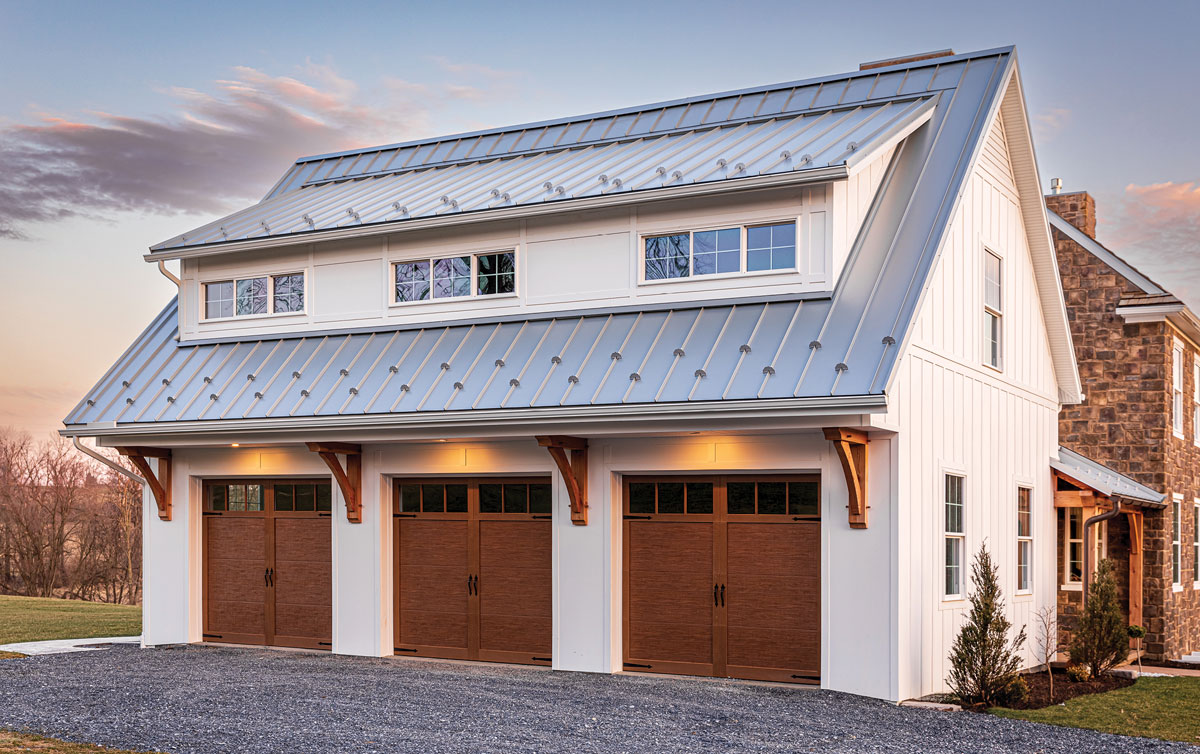
The rise in popularity of metal board and batten has been remarkable in recent years. Installing this traditional style of siding over plywood or OSB offers a classic, durable look with added structural benefits. It blends aesthetic appeal with resistance to wind and moisture. Additionally, recently developed hyper-realistic finishes and textures can convince the eye that metal exteriors are something else.
Another fool-the-eye example is AkzoNobel’s CERAM-A-STAR® Expressions, a unique high-performance textured coating built on the CERAM-A-STAR® 1050 platform. This system uses an SMP resin designed to offer outstanding durability and resistance to moisture, UV degradation, and abrasion.
With AkzoNobel’s proprietary resins and additives, the Expressions SMP Coating system, combined with an ink layer, produces a finish that replicates the appearance of natural materials. The CERAM-A-STAR® Expressions technology allows for the application of a wood grain print pattern through a traditional print roll process. Additionally, this unique technology imparts a tactile texture to the final film, resulting in a natural look with exceptional performance.
The durability and performance of AkzoNobel Coil and Extrusion Coatings are proven through extensive performance testing and real-world weathering data. The CERAM-A-STAR® 1050 coating system, for instance, is designed for long-term protection in a variety of applications. Its combination of superior durability and weather resistance ensures that the coatings continue to deliver excellent performance, even under harsh environmental conditions.
Recent metal forming and coating developments mean there’s no need to sacrifice style for strength, durability, and safety.
Ventilation Systems
Effective ventilation in equine facilities is crucial for maintaining both animal health and the structural integrity of the building. Poor air circulation can lead to moisture buildup, promoting the growth of harmful pathogens and causing damage to building components. Implementing proper ventilation strategies ensures a healthier environment for horses and prolongs the lifespan of the facility.
One of the primary methods to achieve adequate ventilation in a post-frame building is by using ridge vents and vented soffits. These features facilitate continuous airflow, allowing warm, moist air to escape from the building’s peak while drawing in fresh air from the eaves. This natural ventilation process helps regulate temperature and humidity levels inside the barn.
MWI Components offers the RV35 and RV35F Ridg-Vent® models, designed to provide necessary airflow when used in conjunction with vented soffits or louvers.
In addition to structural ventilation components, the incorporation of mechanical systems like ceiling fans can enhance air movement, especially in larger facilities. High-volume, low-speed (HVLS) fans are particularly effective in circulating air without creating drafts, ensuring a comfortable environment for the horses. Individual stalls can also be equipped with smaller fans to improve air circulation.
Design elements such as exterior Dutch doors and windows also contribute to improved ventilation. These features can be opened to allow fresh air into individual stalls, providing horses with a direct source of ventilation and a view of the outdoors, which can positively impact their well-being.
Additionally, the use of materials that do not release harmful fibers or dust, such as foil insulation, can make the building interior more comfortable while maintaining air quality. This consideration is important for preventing respiratory issues in horses and maintaining a clean environment within the facility.
If the barn features a standing seam roof, ridge ventilation can be achieved with Snap-Z’s perforated vent closures. These vents fit between the standing seams and blend into the shadow line of the ridge cap. Each piece is pre-cut to length, pre-punched for precise fastener placement, and comes with pre-applied butyl tape for a secure seal. A metal mesh layer protects the integrated foam closure, offering long-term defense against critters—an important feature for barns storing grain, feed, or other materials that attract pests.
Doors and Access Points
Ease of access and security are vital in horse facilities. MWI Components manufactures a range of custom doors, including Arcadian Sliding Doors and Dutch Doors, tailored for equine structures. These doors are designed for durability and ease of use, ensuring smooth operation over time.
Interior Fixtures and Stall Hardware
The interior setup of horse stalls plays a significant role in the safety and comfort of the animals. Innovative Equine Systems manufactures custom, classically designed stalls, partitions and doors, as well as professional hardware and accessories such as finials, automatic horse waterers, rotating wash wands, and specially made equine flooring.
MWI Components also provides a comprehensive range of stall hardware, ensuring that every component, from latches to hinges, meets the standards required for equine facilities. For example, the company’s Vault Latch concealed latch mechanism is designed to prevent clever horses from letting themselves out.
Natural Lighting
Natural daylight reduces energy costs and creates a healthier, more comfortable environment for both horses and their handlers. Skylights, translucent wall panels, and ridge lighting systems are often used to flood interiors with sunlight, reducing the need for artificial lighting and promoting wellness in equine environments.
A popular product for achieving natural illumination is corrugated polycarbonate panels, which are strong and durable—up to 200 times stronger than traditional glass. These impact-resistant panels are available in corrugated profiles that match metal panels, making them suitable for ridge cap, sidelight, and skylight applications.
Direct Metals, Inc. offers a wide range of polycarbonate panels, from clear to silvered. Clear, colorless panels provide up to 90% light transmission, transferring a concentrated beam of light. Opal white, soft white, and specialty color panels diffuse the light but have lower transmission rates. A soft white panel will transmit between 45% and 85% of the available light. These panels are semi-transparent, letting light through while reducing glare. White and soft white panels are ideal for “drop-in” skylight applications because they provide even lighting and avoid the “hot spots” that can be associated with clear panels. For a more customized look, specialty colored panels can be used. These colors typically allow 20% to 40% light transmission and are available in limited profile offerings.
When determining panel thickness, factors to consider include the span needed, snow load requirements, and environmental conditions such as hail and windstorms. Suppliers should be able to help determine which thickness will work best for a specific application.
For added comfort, Direct Metals Inc. offers Silver Reflective Commercial Grade Corrugated Polycarbonate Translucent Panels. These panels reflect significantly more heat than clear panels while still allowing 20% light transmission, leading to cooler building interiors. The panels’ 2.0mm thickness also allows them to span up to 5’ on-center purlin spacing.
The contributions of translucent polycarbonate panels to energy savings and ambiance make them a valuable addition to agricultural buildings. For larger arenas, modular skylight systems—such as ridge-mounted units—bring generous amounts of daylight deep into the structure. These systems often incorporate ventilation features, improving air exchange and reducing moisture and odors. By combining skylights with ridge or eave lighting, horse barns and arenas can achieve a sustainable, naturally lit environment that enhances animal welfare, reduces energy costs, and elevates the overall functionality and appeal of the space.
Aesthetic Enhancements
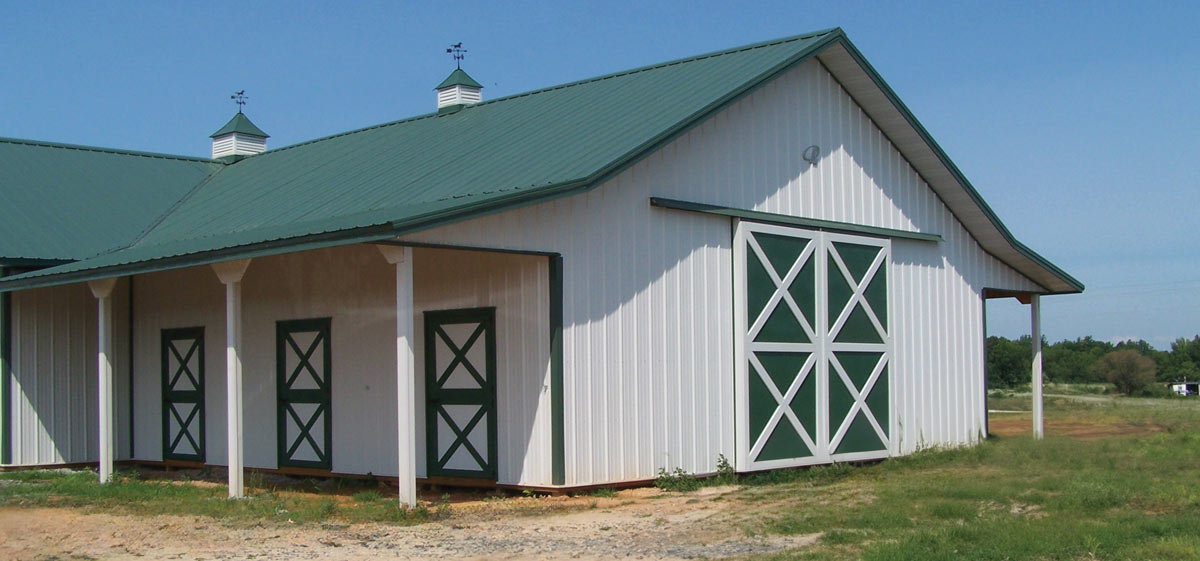
While functionality is paramount, exterior aesthetics also play a role in equine facility design. Cupolas and weathervanes add a traditional touch, enhancing the visual appeal of the structure. Companies including MWI Components, Plyco Corp., and Royal Crowne Cupolas offer a variety of traditional components for stables, riding arenas, and other horse-related structures.
MWI Components recently debuted cupolas with access windows. The Cupola Access Window allows the user to open a window panel using no-drop thumb screws. It’s designed to make cleaning and maintaining a cupola easier for building owners. The window includes brackets and sealants to keep moisture out and maintain the cupola’s structural integrity.
Elements such as cupolas and weathervanes can be customized to match the overall design theme of the facility.
Conclusion
Building a top-notch equine facility requires careful selection of materials, hardware, and equipment. By leveraging the products and insights from industry leaders, builders can ensure their structures are not only functional and durable but also aesthetically pleasing and comfortable for both horses and their handlers.
Resources
AkzoNobel • www.akzonobel.com
Direct Metals, Inc. • https://directmetalsinc.com
FootingPad • www.footingpad.com
GreenPost • www.planetsaverind.com
MWI Components • www.mwicomponents.com
Perma-Column • www.permacolumn.com
Post Protector • www.postprotector.com
Richland Laminated Columns • richlandcolumns.com
Rigidply Rafters • https://www.rigidply.com/
Snap-Z • https://snapzvent.com/