
For professionals that rely on moisture measurements to make critical decisions, the accuracy of the results often depends not only on the quality of the instrument, but the type of meter and how it is used.
In construction, flooring, restoration, woodworking, manufacturing, and other applications, obtaining accurate measurement information is critical, particularly when the moisture content of the material will often determine its performance. If the device is not properly calibrated, the wrong correction factor is applied, or the measurement is taken at the wrong depth, it can lead to a myriad of consequences including call-backs, mold, dimensional instability, structural issues, rejected material, and lost production time.
According to John Bogart, managing director of Kett US, a manufacturer of a full range of moisture and organic composition analyzers, the various types of moisture meters such as pin style meters, pinless meters, and near-infrared each have specific advantages depending on the type of material, surface condition, speed of measurement, and accuracy required. Understanding the various types of devices is the best way to ensure reliable, consistent results in the field and during production.

Understanding Moisture Meter Technologies
A pin style moisture meter measures the electrical resistance between two metal pins inserted within the wood. Because water increases the electrical conductivity of wood, drier wood exhibits higher resistance. Lower resistance readings correspond to higher moisture content, making resistance a useful indicator of the amount of moisture present in the material.
Pin style moisture meters are valuable in applications where measurements are needed at specific points or areas. Although pin style moisture meters are very accurate, correct placement of the pins and proper settings based on the type of wood being measured is critical to obtain precise results.
A pinless moisture meter uses electromagnetic radio frequency waves or capacitance sensors to measure moisture. These meters can be used to rapidly scan large surface areas and, unlike pin style meters, do not leave holes or marks on the material. This approach makes them particularly suitable for evaluating floors, finished wood products, walls, and other surfaces.
Near-infrared (NIR) moisture meters determine moisture content by measuring how specific wavelengths of light are absorbed by water molecules within a material. By analyzing the reflected light signature, these instruments can quickly calculate moisture levels without contacting or damaging the wood. As a result, NIR moisture meters provide fast, non-destructive measurements that closely correlate with laboratory testing, allowing operators to obtain reliable moisture readings in real time.

Bogart is quick to add that many professionals benefit from using more than one type of technology. In restoration and inspection work, for example, a pinless meter might be used first to scan a broad area and identify potential problem spots. A pin-style meter could then be used to confirm moisture content at a specific depth.
Best Practices for Pin Style Meters
For pin style meters, one of the most common sources of error is improper probe depth. Pins must be inserted into the manufacturer’s recommended depth to obtain an accurate reading. Otherwise, the meter will only show measure surface moisture and not the full picture.
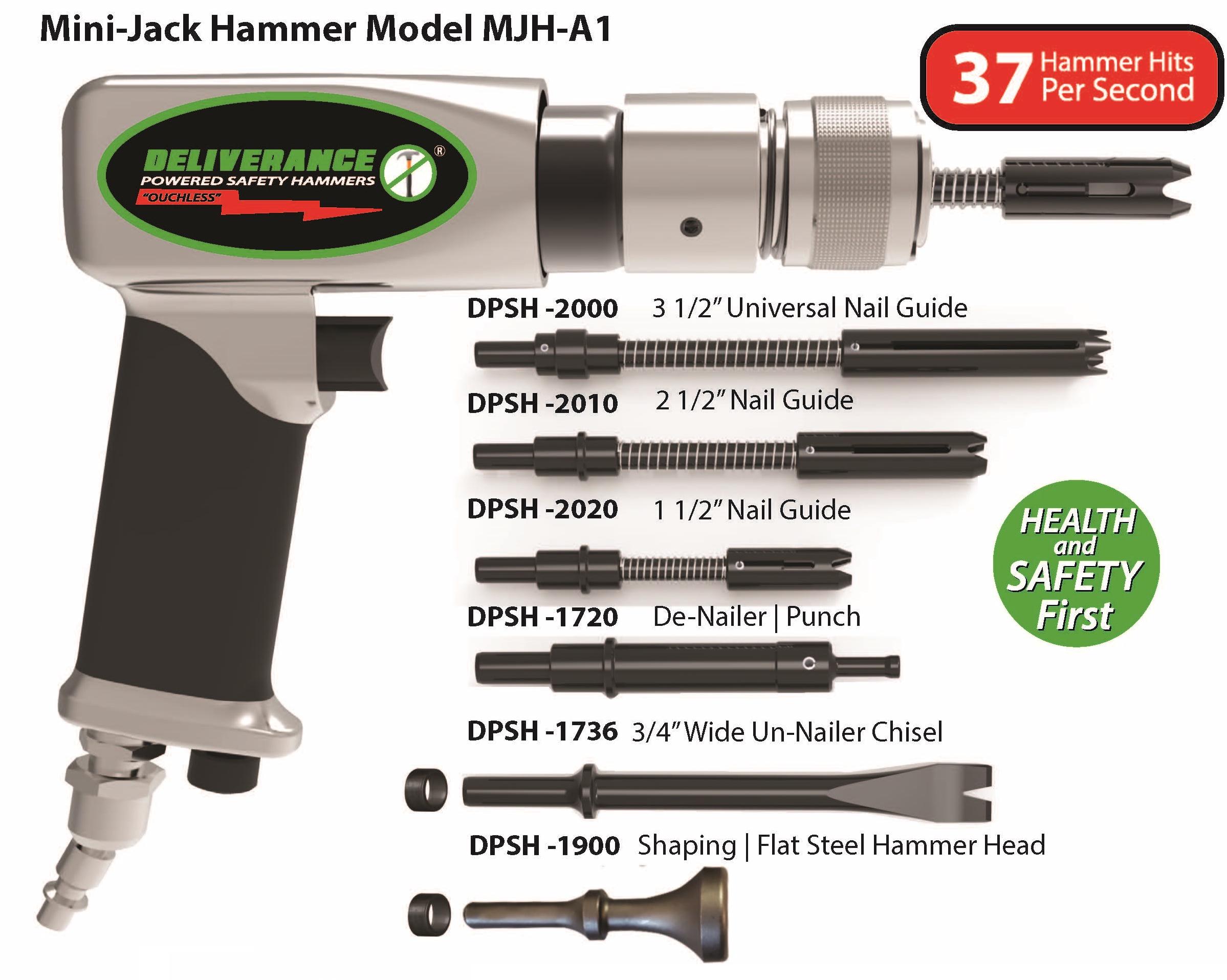
Because moisture can vary significantly from the surface to the interior of the material, dense hardwoods often require hammer probes or electrode accessories to apply the controlled force required.
The condition of the pins also matters. Pins should be inspected regularly and replaced, when necessary, as bent, broken, worn, or corroded pins can produce unreliable readings. Since probes are used repeatedly on the jobsite, they should be treated as consumable components rather than permanent parts.
Grain direction is another important consideration. In wood, electrical resistance changes depending on whether the reading is taken with or across the grain. To improve accuracy, pins should generally be inserted parallel to the grain. Readings taken across the grain may produce artificially high results.
Temperature can also affect readings from pin-style meters. These instruments are generally most accurate from 50°F to 90°F. When wood is cold, due to cold weather construction or unheated buildings, the moisture content may be underreported so temperature compensation is an important part of obtaining reliable results.
Best Practices for Pinless Meters
Pinless meters offer speed and non-destructive testing but require proper technique. The reading depth must match the material being tested. Many pinless meters scan at common depths such as 1/4 inch or 3/4 inch below the surface.
To obtain accurate readings, the surface of the material must be in continuous contact with the sensor pad. The sensor should rest flat on the material’s surface. Air gaps, uneven pressure, or irregular contact can all cause inaccuracies when measuring materials. Applying too much force to the sensor can damage it over time and using too little force may lead to inaccurate measurements.
Pinless meters work well on flat, solid surfaces. Rough lumber, irregular materials, or uneven surfaces may not allow for consistent contact. In these conditions, using a pin style meter or near infrared (NIR) meter is a better option.
Since moisture is not usually distributed evenly throughout a space, taking multiple readings is recommended. By establishing a grid pattern, a complete picture of the moisture can be created, particularly when assessing water damage, inspecting flooring, or when moisture has migrated to areas.
Calibration, Species Correction, and Temperature Compensation
Even a quality moisture meter will produce unreliable results if it is not properly calibrated for the type of material being tested. Calibration requirements vary by instrument. Some meters include field checks that allow users to verify performance on site, while others are factory calibrated and designed to maintain accuracy over long periods.
The proper approach depends on the meter. For example, Kett’s HB-300 Universal Moisture Meter is a pin-style instrument that can be used across multiple material types, including wood when paired with the optional 4-pin probe. For wood, drywall, concrete, and other materials on the same job site, this type of meter can reduce the need to carry separate instruments for each material. The HB-300 can also be calibrated on site using the customer’s own reference standards. This allows users to verify performance in the field and maintain confidence in the readings over time.
Other wood moisture testers, by contrast, may be factory-calibrated and may not require a user-performed calibration procedure. Instruments may include built-in correction functions for specific gravity and temperature, or temperature correction may be applied automatically.
Species corrections are particularly important when measuring moisture content in wood. Most wood moisture meters are factory-calibrated for Douglas fir. However, many applications involve other wood species with different electrical properties. Built-in species correction allows users to easily account for these differences.
Documentation is also important in the measurement process. Calibration records help to avoid liability and enhance quality control. They provide a reference point when readings are inconsistent or unexpected. The reliability and traceability of the measurement process are just as important as the accuracy of the reading itself.
Protecting the Meter Between Uses
Proper care and storage help preserve meter accuracy. Moisture meters should be protected from direct sunlight, extreme heat or cold, and moisture exposure when not in use. Pin-style meters should be stored with probes protected, while pinless meters should have sensor pads shielded from scratches and surface damage. A well-maintained instrument is more likely to deliver the repeatable needed to make confident decisions.
Choosing the Right Meter for the Job
Bogard adds that the best moisture meter is not always the most advanced technology. It is determined by the material being tested, and if it is being used by someone who knows how it works. Selecting the right instrument and following correct process will lead to certain, accurate results, preventing costly errors and providing better decision making on the job site or manufacturing floor.