
Originally published as: Reskinning a Pole Barn: Giving an Old Building a New Lease on Life
Courtney Glover is a freelance writer and photographer based in Milwaukee, Wisconsin. She contributes her talents to various publications and is the author of “Max Builds A Pole Barn” the second book in the Shield Wall Media children’s book series.
According to Greiner Buildings, reskinning a pole barn is one of the most efficient ways to save time, money, and stress when maintaining or modernizing a post-frame building. Over time, exposure to the elements can cause even the sturdiest structures to show signs of wear. Instead of demolishing the existing building and starting from scratch, reskinning allows owners to revitalize their investment by upgrading its appearance, durability, and functionality—using the structure they already have.

What Is Reskinning?
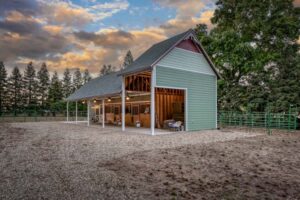
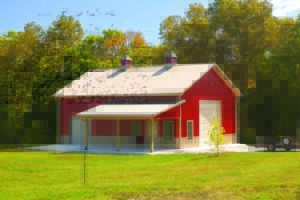
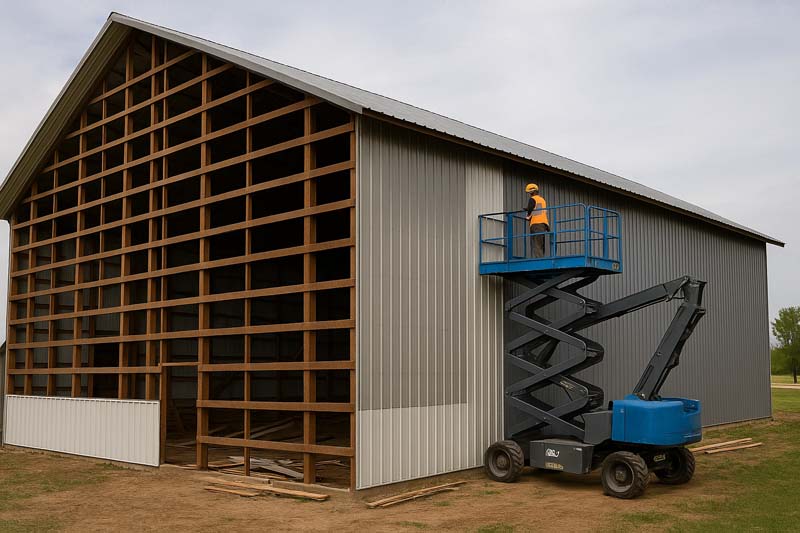
A building “recover” or reskin is essentially a remodel of an existing post-frame building. By utilizing the current framework, the process replaces the entire exterior—typically the steel siding and metal roofing—while maintaining the original bones of the structure. This major renovation transforms the look of the building, improves weather resistance, and seals out drafts or leaks. Projects are often completed in 30 days or less, offering a fresh, modern appearance without the high cost or extended timeline of new construction. If the structure remains sound, a reskin is often the smartest and most sustainable option.
Cost Efficiency
One of the main advantages of reskinning is its affordability. Greiner estimates that most projects cost only about one-third of what a full rebuild would require. The final price depends on factors such as building size, chosen materials, and added upgrades. Common enhancements include lean-tos, overhangs, cupolas, or updated insulation. Overall, reskinning delivers substantial savings in both labor and materials while extending the lifespan of the building.
Material Options
Selecting the right material is key to achieving both aesthetic appeal and long-term performance.
- Steel Siding: The most popular choice, steel offers outstanding weather resistance and a wide range of color options. It is easy to install, durable, and low-maintenance. However, it can be dented by heavy equipment and may rust if the protective coating is compromised.
- Engineered Wood: This material provides a warm, traditional look that closely mimics natural wood. While beautiful, it may require more upkeep and can be susceptible to moisture damage.
- Stone or Stone Veneer: For a premium finish, stone adds elegance and curb appeal. It can be used as a full façade or decorative accent. However, it is significantly more expensive and labor-intensive to install compared to steel or wood.
Ultimately, the best material depends on your design preferences, maintenance expectations, and overall budget.
Inspecting the Structure
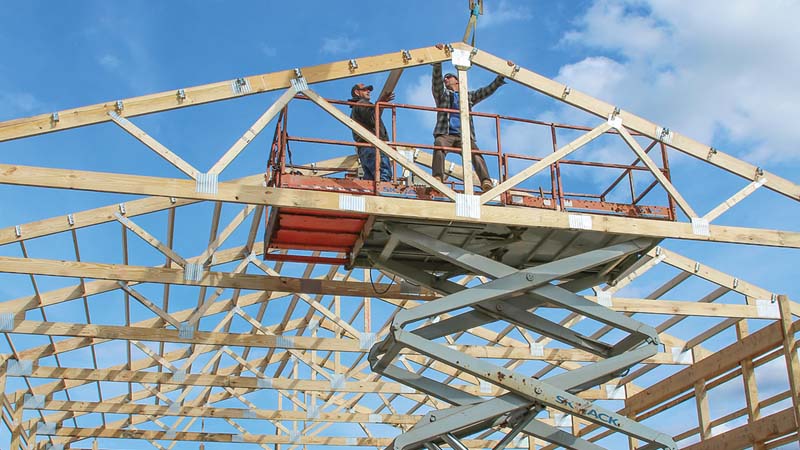
Before beginning a reskin, it is essential to evaluate the existing structure’s integrity. Inspect all framing, trusses, and posts for rot, warping, or other damage. Any structural issues should be repaired before new materials are installed. Failing to address these problems can lead to concealed damage and reduce the effectiveness of the renovation. A solid foundation ensures that your investment lasts for years to come.
Permitting Requirements
Depending on your location, you may need one or more permits before starting a reskin project. These ensure compliance with local building codes and safety standards. Requirements can vary but may include zoning approval, structural modification permits, or a site plan review. While reskinning often avoids the major costs associated with a full rebuild, it is always best to verify local regulations before beginning construction.
Preparing the Site
Proper site preparation sets the stage for an efficient remodel. Clear the area surrounding the barn—typically at least three feet from the perimeter—of all vegetation, debris, or obstacles. Designate a staging area for materials and equipment. This helps prevent delays and ensures a clean, safe workspace throughout the project.
Planning and Measuring
Accurate measurements are crucial to a successful reskin. Begin by surveying the existing structure, noting all exterior dimensions, elevations, and features. Many builders use CAD (Computer-Aided Design) models to map the project precisely, which aids in estimating materials, planning logistics, and staying within budget.
Removing the Old Exterior
Once the site is ready, remove all existing panels, screws, and fasteners holding the old siding or roofing in place. Carefully dispose of or recycle materials as appropriate. Clean the underlying frame to remove dirt, rust, and debris before new installation begins.
Installing the New Skin
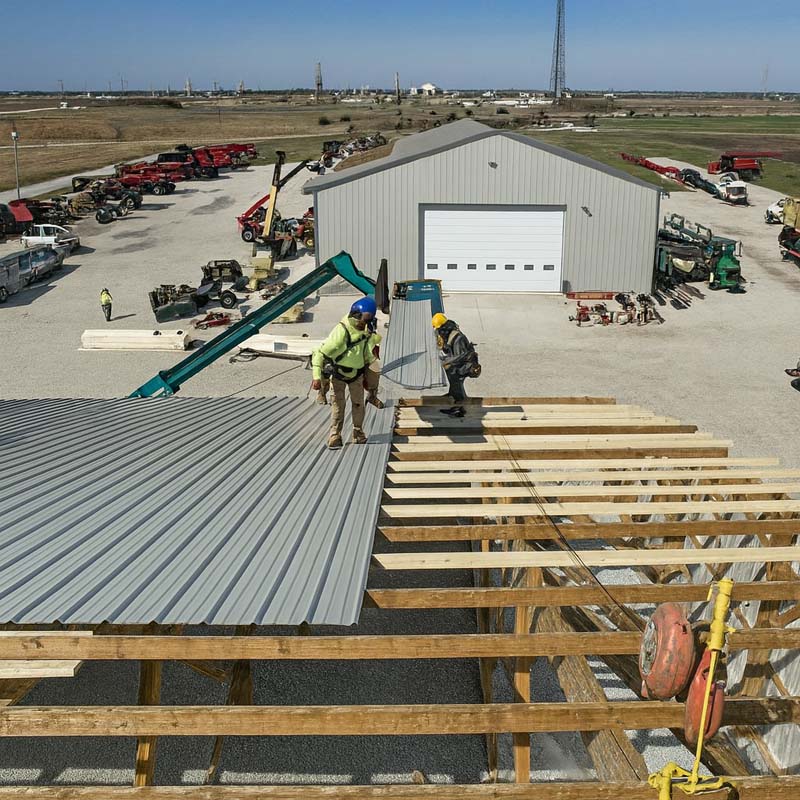
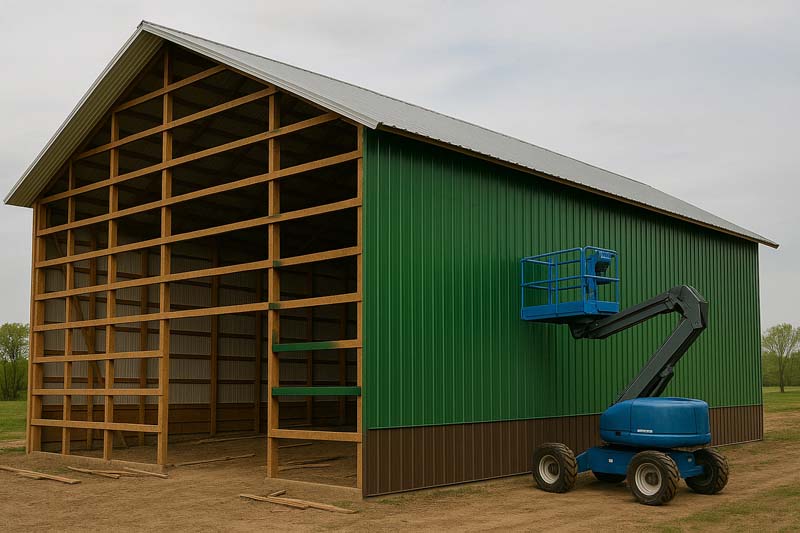
Start with the roofing panels, ensuring proper overlap and watertight seals to prevent leaks. Then, install the siding panels, beginning at one corner and working methodically across the structure. Use appropriate fasteners and align panels evenly for a professional finish. Seal all seams and joints with high-quality silicone caulking to block moisture and drafts. When complete, wash and inspect the surface to remove residue and ensure a polished, long-lasting result.
Conclusion
Reskinning a pole barn breathes new life into an existing structure—transforming an aging building into one that looks brand new. It provides a cost-effective, eco-friendly, and efficient alternative to complete reconstruction. With proper planning, material selection, and installation, a reskin can dramatically improve both the appearance and performance of your building. Before you decide to tear down that weathered structure, consider giving it a second life through reskinning.