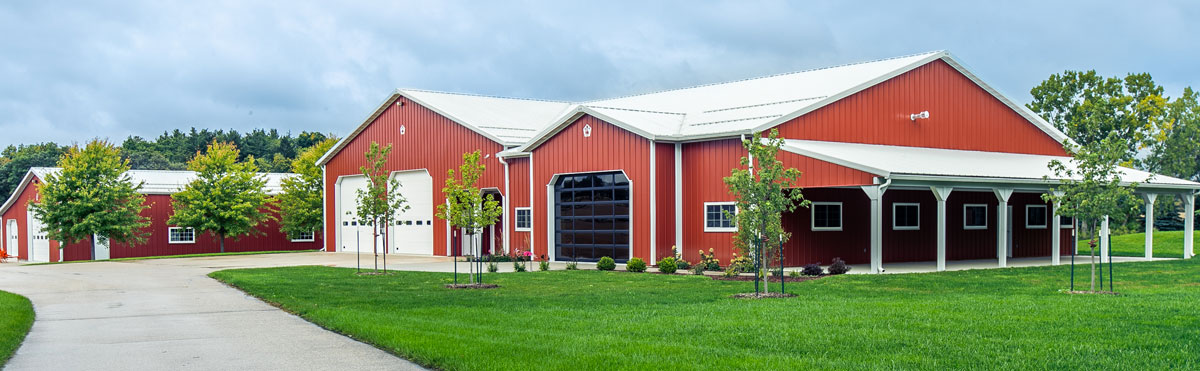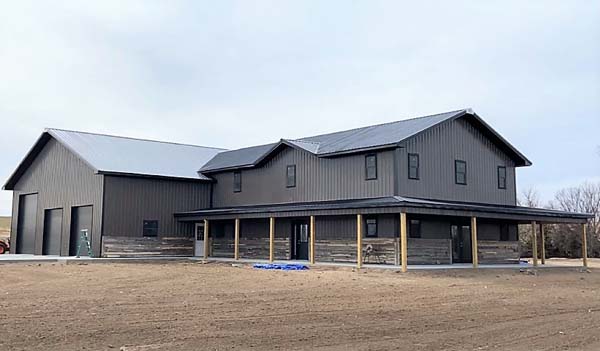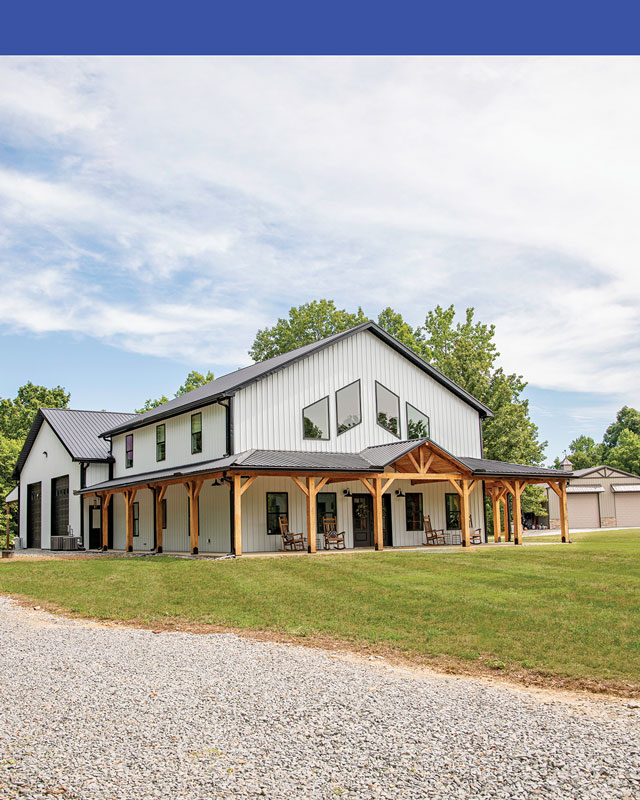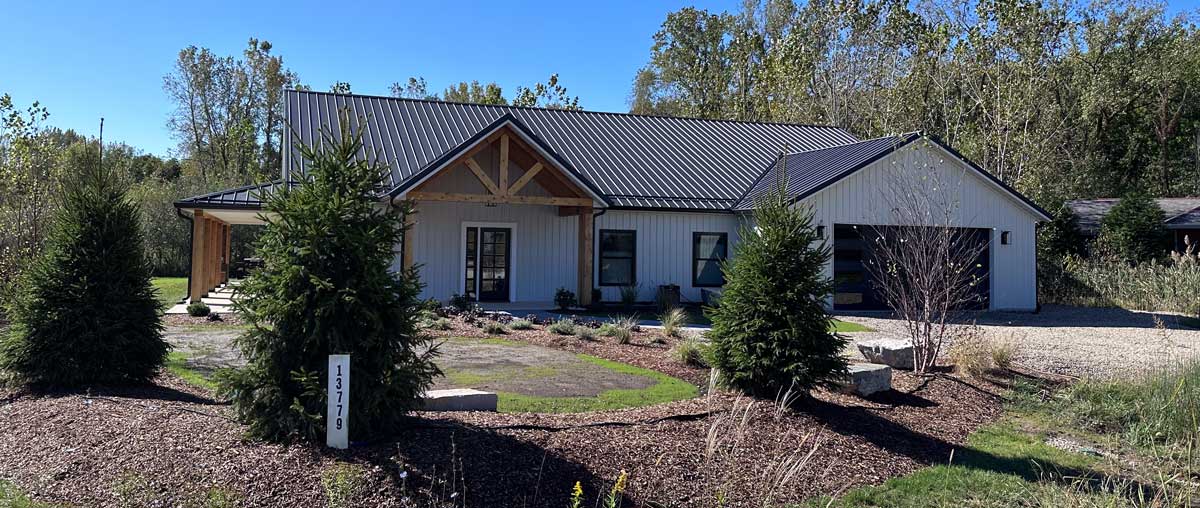

Originally Published as: Is It a Barn or a Barndo?: When residential intent is treated like a simple shell, structural mismatches, performance issues, and costly problems may be on the horizon.

Mike Gilmore is the founder of StruxSure Plans and has spent more than two decades in the post-frame industry. He sees how design, engineering, and construction affect one another, and he pushes each of them to work better together. His perspective is shaped by hard-earned experience, high standards, and a simple mantra: Try and Care.
Barndominiums have brought real momentum to the post-frame industry. They’ve expanded the customer base, opened new design opportunities, and introduced more people to the speed and versatility of post-frame construction.

They’ve also brought along a question that doesn’t get asked plainly enough early in the process: Is it a barn or a barndo?
That question matters more than it may seem.
In some projects, the shell gets approached, priced, specified, permitted, or engineered more like a simple barn, storage building, or low-demand accessory structure, even though the long-term plan is clearly residential. The thinking is familiar. Keep the shell affordable. Get the structure up. Get through inspection. Finish the interior later.
But if the end goal is a home, then sooner or later the project has to answer the question honestly. Is it a barn or a barndo? Because those are not the same thing structurally, even if they may look similar in the early stages.
That’s where underbuilt barndominiums begin.
Most underbuilt barndominiums don’t start with somebody saying, “Let’s design this thing to fail.” They start when the shell is treated like one kind of project, while the finished building is headed toward something far more demanding. Early on, the owner sees a future home, the builder sees a shell package that has to stay competitive, and the engineer may only see the scope that was handed over. When those views don’t line up, the project can end up being priced like a shell, but expected to perform like a home.
In many cases, the intended use isn’t hidden at all. The number of windows, the placement of doors, and the overall layout often make it pretty clear that the building is headed toward residential use, even if the shell is still being treated like something simpler.
That’s why the question matters. If it plainly looks like a future home, then treating it like a simple barn shell early on can create problems that don’t show up until much later.
Post-frame buildings don’t respond to labels. Columns, footings, trusses, connections, uplift resistance, and lateral behavior respond to real loads, real use, and real conditions. If a building is expected to serve as a residence, then the structure needs to be evaluated as a residence, not as a shell that only looks economical because some of the eventual demands have been pushed down the road.
That’s especially true in the parts of the building that are hardest to revisit later.
Columns may be sized for one set of assumptions and then asked to carry another. Footings may be proportioned for a lighter shell and later expected to support a building with ceilings, insulation, mechanical systems, partition walls, storage loads, loft areas, and higher serviceability expectations. Connection details that seemed adequate for one use may deserve another look under another. Once the shell is complete, those aren’t easy corrections.
That’s why the phrase shell now, finish later can be a lot more structurally significant than it first sounds.
To be fair, builders aren’t always the ones driving this problem. Many are being pressured into it by the market itself. A customer wants the look and long-term use of a home, but pushes for a cheaper path to get started. The builder understands where the project is headed and may even recognize that the structure is being kept too light. But if he pushes back too hard, he risks losing the job to the next builder who’s willing to move forward without asking the same questions.
That puts responsible builders in a tough spot.
They’re no longer competing only on quality, communication, schedule, or workmanship. They’re also competing against a version of the project that looks cheaper on paper because the full demands of the finished building haven’t yet been brought into the conversation. In that kind of market, doing it right can make the builder look expensive, even when he’s simply trying to match the structure to the way it’s actually going to be used.
There’s also a performance issue that often gets overlooked. Many post-frame shells are designed to carry load through diaphragm action and allow some movement under stress. That may work fine in a simpler agricultural or storage building. But once that same shell is expected to perform like a home, the standard changes. Drywall doesn’t like sway. Neither do tile, trim, doors, windows, and other finish materials. A building can be strong enough to stay standing and still not be rigid enough to perform well as a finished residence. If the end use is residential, the structure should be engineered not just for strength, but for the added rigidity that residential finishes and residential expectations require.
That’s not just a comfort issue. It’s part of building the right structure for the right use.
It also helps explain why some of these buildings can look fine from the road and still be headed for trouble. The shell may go up straight. The steel may look clean. The structure may even pass through the early stages without obvious problems. But once the finishes go in and the building starts being used like a home, the expectations change. Homeowners don’t just expect the building to stand. They expect doors to shut right, drywall to stay tight, tile not to crack, and the whole structure to feel solid.
That’s where the difference between strength and stiffness starts to matter.
A shell that works acceptably as a barn may not perform acceptably as a residence. That doesn’t always show up as a dramatic failure. Sometimes it shows up as callbacks, cracks, racking, nagging movement, or finishes that never behave the way the owner expected. Those problems may not make headlines, but they still point back to the same root issue. The building was expected to perform like something it was never fully designed to be.
So again, the question is simple: Is it a barn or a barndo?
If it’s truly a barn, design it like one. If it’s truly a barndo, design it like one. The trouble starts when everybody can see it’s headed toward residential use, but the structure is still being evaluated like something simpler.
That’s not a healthy way for the post-frame industry to operate.
Some barndominiums are kept too light on purpose. The end use is known from the start, but the project gets moved through early phases under assumptions better suited to a lower-demand structure. Others get there by step-by-step change. A loft becomes occupied space. Interior finishes get heavier. Mechanicals go in. Partition loads increase. What started as a simple shell becomes something much more demanding.
In both cases, the outcome can be the same. The building may look complete, feel solid, and even move through the process without obvious trouble, while still carrying a mismatch between what it was designed to be and what it actually became.
That’s why this conversation needs to stay focused on structural intent.
The question isn’t whether barndominiums are a good idea. They clearly are, when they’re designed and built well. The question is whether the design basis, engineering assumptions, and actual use stay aligned from start to finish.
If a project is truly expected to function as a residence, then the use classification, loading assumptions, connection details, columns, foundation system, and overall rigidity should reflect that expectation early in the process. Engineering is only as sound as the assumptions behind it. If those assumptions are artificially light, incomplete, or based on a temporary description of the building, then the structure may be carrying more risk than anyone intended.
The good news is that this problem is fixable.
It doesn’t require the industry to abandon barndominiums, and it doesn’t require a process so complicated that nobody can follow it. What it requires is clearer alignment. Ask the question early. Answer it honestly. Is it a barn or a barndo? Then make sure the structure matches the answer. Material packages should be reviewed against actual engineered intent, not just initial layout convenience. Changes in occupancy, build-out, rigidity expectations, or loading should trigger re-evaluation before they become permanent. And builders shouldn’t have to compete against jobs that only appear cheaper because the real demands of the structure have been delayed, disguised, or left undefined.
Post-frame has earned its reputation by being efficient, adaptable, and practical. Those strengths are worth protecting. But efficiency isn’t the same as underbuilding, and adaptability shouldn’t be confused with structural ambiguity.
A well-designed barndominium can be a durable, high-performing structure that serves its owner for decades. An underbuilt one may look similar from the road, but it isn’t the same building.
And in a lot of cases, the difference starts with a question that should’ve been answered honestly from the start:
Is it a barn or a barndo?