
Use the Six Gears of Grategy®
The post-frame construction industry is evolving. With increasing automation, advanced materials, and modern equipment transforming how buildings are designed and constructed, one truth still stands: no matter how advanced the tools, your greatest asset is your people.
Across framing companies, a persistent challenge remains: attracting, engaging, and retaining skilled workers. We invest in equipment, tools, and technology, but to stay competitive, we also need to invest in the people who operate them, manage the job sites, and keep projects running smoothly. That’s where workplace culture comes in.
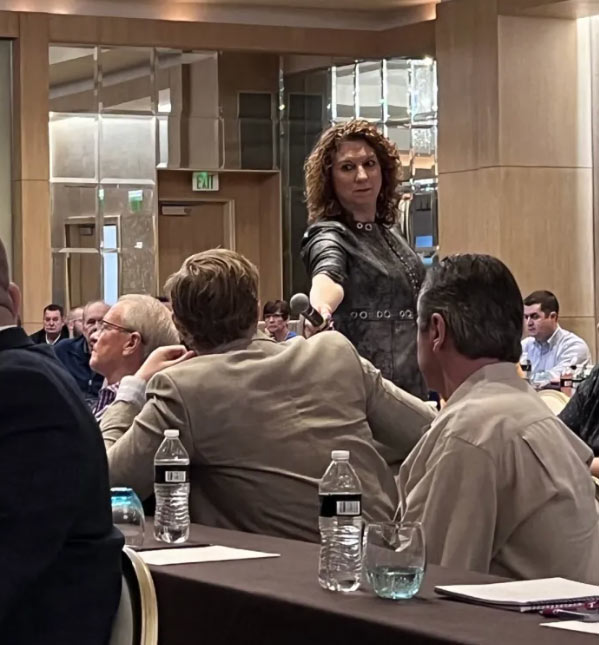
As a speaker and culture strategist working with skilled trades across the country, I developed the Six Gears of Grategy®, a framework designed to help construction and post-frame building companies create a culture where employees feel valued, connected, and committed to staying long term.
1. Attitude: The Foundation of Culture
Culture starts with mindset. Whether you’re leading a crew or showing up for your first day on the job, your attitude affects everything, from team morale to job site safety.
In a framing operation, things can change fast, weather delays, supply chain issues, last-minute client requests. A positive, solution-focused mindset keeps teams moving forward. It also influences how others respond to challenges.
Ask yourself:
• Are you modeling the behavior you want to see in your crew?
• When problems arise, are you focused on solutions—or stuck in blame mode?
To strengthen the Attitude gear:
• Lead by example, especially when things go wrong
• Encourage curiosity and flexibility in how problems are solved
• Reward team members who step up with positive energy
• Challenge yourself and others to see change as an opportunity
2. Appreciation: Strengthening Your Mindset from the Inside Out
Before you can genuinely appreciate others, it starts with how you view your own workday. Appreciation in this context is personal, a daily practice of noticing what’s going right, even when the job gets tough. In the framing industry, where conditions change quickly and pressure runs high, this mindset becomes a stabilizing force.
Your gratitude practice doesn’t need to be complicated. It’s about training your brain to focus on the wins, no matter how small. Did a delivery show up on time? Did your team problem-solve without needing direction? Did the weather finally cooperate? These moments matter.
When you intentionally look for the good, it changes your perspective. You become more resilient, less reactive, and better equipped to lead by example. Over time, that personal mindset shift influences how you interact with your team, and how they respond to you.
Ways to build a personal gratitude habit:
• Begin each day by identifying three things going well at the job site
• End the day by noting three “wins,” such as smooth installs, team cooperation, or fewer delays
• Look for lessons or silver linings in the day’s challenges
• Keep a small notebook in your truck or toolbox to jot down positive moments
• Reflect weekly on patterns, what’s working, what’s improving, what you feel good about
When you start from a place of appreciation, it becomes easier to recognize effort, stay positive under pressure, and lead with purpose. This internal shift lays the foundation for a stronger, more unified crew.
3. Access: Opening Pathways to Growth
The next generation of tradespeople wants to know there’s a future for them. Access to leadership, learning opportunities, and career development signals that you’re building more than just buildings, you’re building careers.
Whether it’s training a carpenter to run a crew, or cross-training laborers in layout, development pathways reduce turnover and strengthen your internal talent pool.
You can increase access by:
• Encouraging field teams to bring ideas to management
• Holding informal Q&A sessions between leadership and crews
• Offering hands-on training for certifications or new tools
• Creating clear steps for advancement from laborer to lead
4. Applause: Recognizing the Craft
Recognition doesn’t have to be formal or flashy, but it must be consistent. Acknowledge great craftsmanship, safe work, and problem-solving when you see it. When people know their work matters, they bring more honor to it.
Peer-to-peer recognition is especially powerful in trades. Crew members know the effort it takes to get things done right. When a framer gives props to another for clean corners or quick thinking, it strengthens trust.
Ways to recognize excellence on your team:
• Celebrate project milestones with a crew lunch or bonus
• Highlight individual and team successes in company newsletters or meetings
• Use recognition to reinforce core values, like safety, integrity, or quality
• Give crew leads recognition tools they can use on the jobsite
5. Acts of Service: Building Beyond the Jobsite
Construction companies with strong community ties often find it easier to recruit and retain talent. People want to work for companies that give back and do good, especially younger workers entering the trades.
Support local high school construction programs. Bring students to job sites. Donate materials. These small acts build your talent pipeline and strengthen your reputation in the community.
Practical ideas for service in the framing industry:
• Sponsor a trade program at a local technical school
• Offer ride-alongs or mentorships for interested students
• Provide paid volunteer hours for team members
• Partner with veterans’ organizations to train and hire returning service members
6. Accountability: Owning the Outcome
In construction, accountability isn’t about blame, it’s about ownership. Everyone on the crew should know what’s expected and have the tools to meet those expectations. When accountability is done right, it fuels excellence.
Accountability starts with clear communication. Do your crews know what success looks like? Do they have input into how goals are set? Are they getting feedback along the way?
To improve accountability:
• Set and review clear metrics (e.g., job completion timelines, safety benchmarks)
• Provide real-time feedback and adjust expectations as needed
• Share what’s working, and where improvements are needed, across teams
• Create a no-blame culture where mistakes are learning moments
Putting the Gears in Motion
Post-frame companies that want to stay competitive must do more than build strong structures, they must build strong cultures. Workers today are looking for more than a paycheck; they want purpose, appreciation, and growth.
The Six Gears of Grategy® give you a practical, proven roadmap to create a workplace where people show up, step up, and stick around. When all the gears work together, they generate momentum, loyalty, and long-term success. FBN
Lisa Ryan, CSP is the Chief Appreciation Strategist and Founder of Grategy®, helping skilled trade and construction leaders create workplace cultures where employees feel valued and want to stay. LisaRyanSpeaks.com.