
Originally Published as: Exposed Fastener and Standing Seam Roofing in Post-Frame Homes: Costs vs. Performance
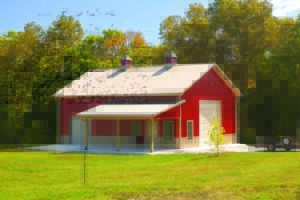
As post-frame construction continues to gain popularity in residential applications, roofing selection has become a critical decision point for homeowners. Metal roofing is the dominant choice for post-frame homes due to its durability, light weight, and compatibility with purlin-based framing. Within metal roofing, the most common options are exposed fastener systems and standing seam systems. While both can perform well, they differ significantly in upfront cost, installation requirements, maintenance expectations, and long-term performance.
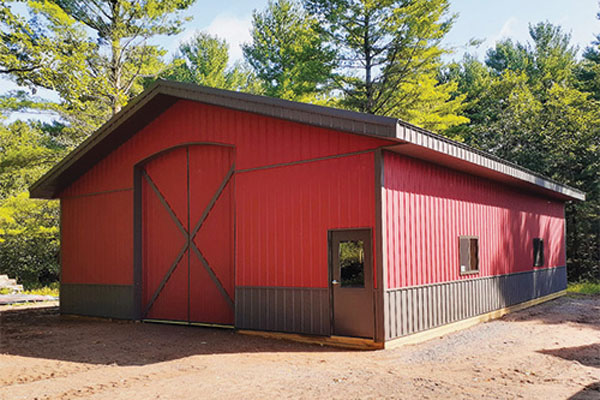
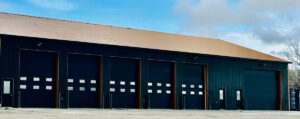
Exposed fastener roofing is widely regarded as the most cost effective option. Panels are attached directly to the roof purlins with visible screws and sealing washers, allowing for faster installation and lower labor costs. This system is well suited to post-frame construction, particularly for large roof planes common in residential barndominiums and hybrid homes. When properly installed with correct purlin spacing and fastening patterns, exposed fastener roofs provide strong wind resistance and reliable structural performance.
The primary tradeoff with exposed fastener systems is maintenance and long-term performance. Because fasteners penetrate the panel surface, they are exposed to weather, UV radiation, and thermal movement. Over time, screws may loosen slightly and washers can degrade, requiring periodic inspection and eventually replacement of the fasteners and washers. Because the fasteners are exposed, proper fastener installation is of utmost importance and extreme care should be taken to ensure fasteners are not installed at an angle or over-driven. Even so, exposed fastener roofs can provide good performance at a lower cost of entry for homeowners.
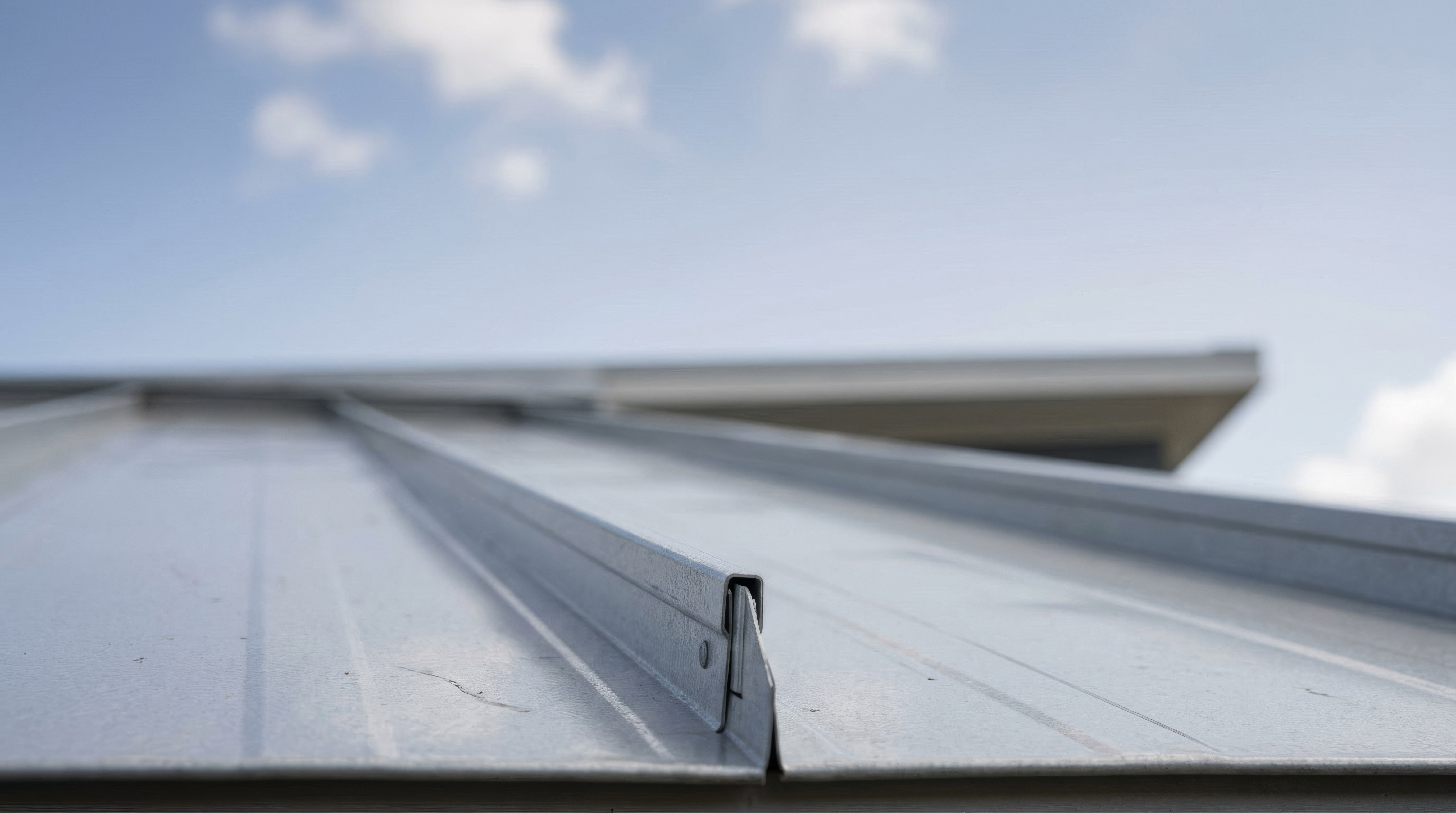
Standing seam roofing represents a higher end alternative focused on long term performance and reduced maintenance. These systems use concealed fasteners—either clips or snap together seams, so the roof surface remains uninterrupted by exposed screws. This design significantly reduces the risk of leaks related to fastener failure and allows the panels to move independently as temperatures change, minimizing stress on the metal. The standing seam design also typically results in higher wind resistance.
In post frame residential construction, standing seam systems are commonly installed over solid decking or specialized sub framing, increasing both material and labor costs. Some structural standing seam and snap together concealed fastener systems, however, are engineered for installation directly over open purlins when properly specified for spacing and wind loads. While standing seam roofing requires a higher upfront investment, it typically offers lower long term maintenance needs, graceful aging, and strong appeal for homeowners planning to stay in their homes for decades or located in areas of the country that face frequent severe weather.
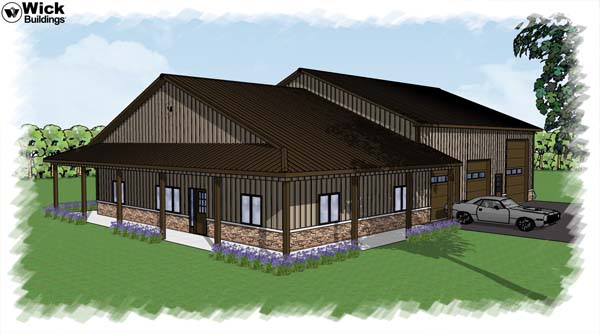
Aesthetics also play an important role. Exposed fastener roofs tend to convey a more traditional or utilitarian appearance, which can complement rural or agricultural-style homes. Standing seam roofs, by contrast, are often chosen for their clean lines and architectural look, aligning well with modern residential design and higher end markets.
A roofing alternative that provides the best of both of these other systems is a snap-lock style standing seam roof with a nailable strip. Panels like Horizon-Loc by Central States do not require a clip system, but still provide hidden fasteners for a lower install effort and labor cost of an exposed system, but with the aesthetic and long-term performance benefits of a standing seam system.
Ultimately, the decision between exposed fastener and standing seam roofing comes down to balancing initial cost against long term value. Exposed fastener systems provide affordability and proven performance when maintained properly, while standing seam systems justify their premium through longevity, reduced maintenance, and architectural appeal. With thoughtful specification and realistic expectations, either roofing option can be a successful choice for post frame residential construction.