
Originally Published as: Construction Lending For Barndominiums: 9 Critical Topics Every Post-Frame Builder Should Understand

Chris Miller – VP, is the Director of Construction Lending for First Federal Bank of Kansas City and The Barndo Loan Pros (www.thebarndoloanpros.com). He has more than 26 years of industry experience in construction loans and operations.
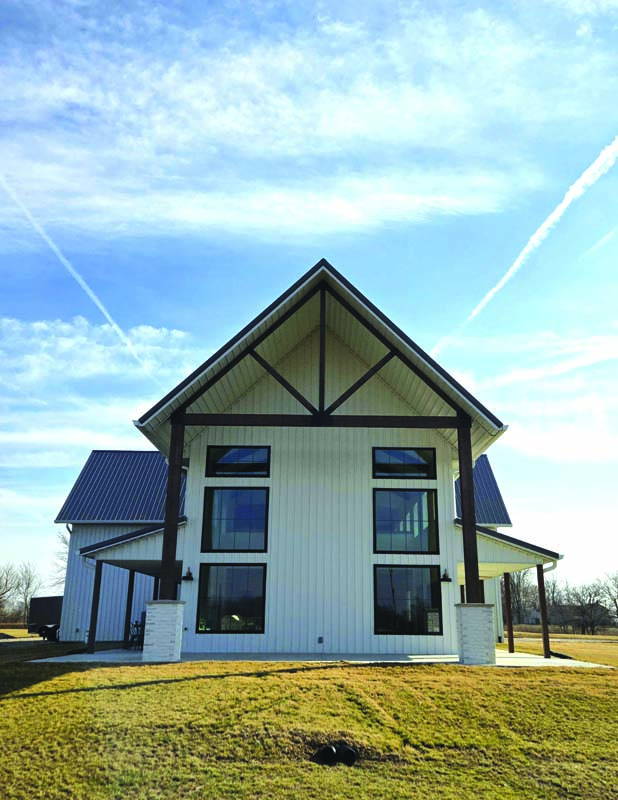
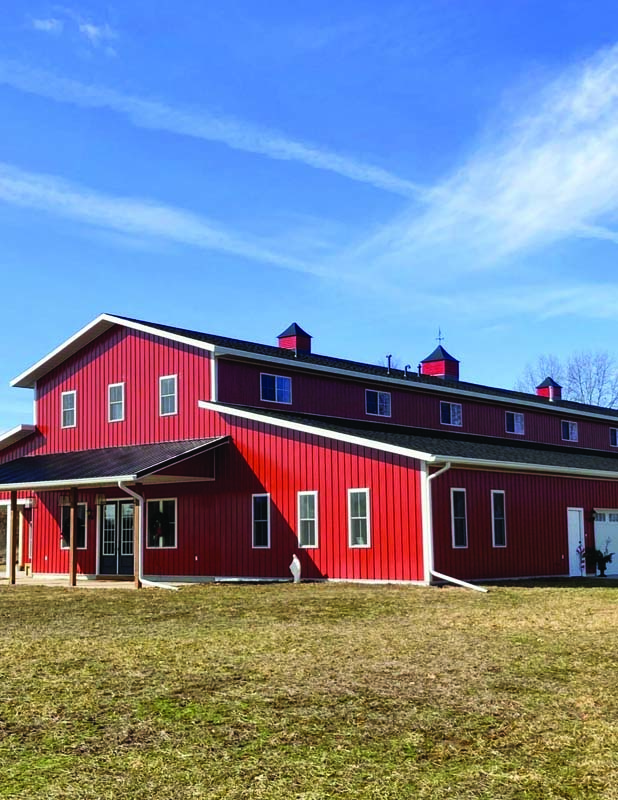
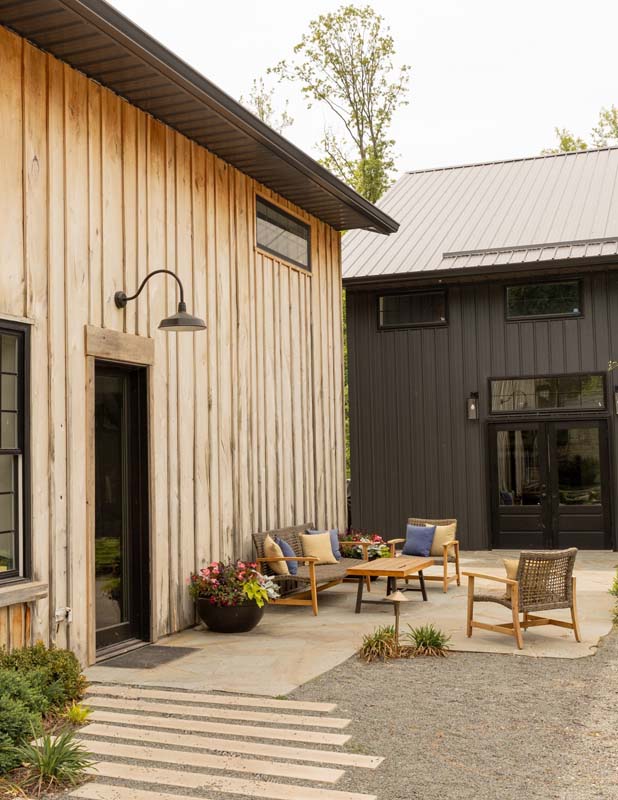
The post-frame industry continues to gain momentum as more buyers look for flexible, durable, and cost effective ways to build homes, shops, hobby spaces, and Barndominiums. Across the country, builders are seeing increased demand from clients who want the functionality of a post-frame structure combined with the comfort and style of a custom home.

But while demand is growing, one challenge remains constant: financing.
Barndominiums and post-frame homes do not always fit neatly into traditional lending boxes. Builders who align themselves with lending institutions that understand post-frame construction can close more projects, reduce delays, and create a smoother experience for their clients. Here are nine important construction lending topics every builder in the post-frame industry should know.
1. Not All Lenders Understand Post-Frame Construction
Many conventional lenders are familiar with stick-built homes but have limited experience with post-frame structures. That lack of understanding can create unnecessary roadblocks during underwriting, appraisal, and closing.
Builders should seek lending partners who already know the post-frame industry, understand engineered packages, and recognize the value of modern Barndominiums. An experienced lender can identify solutions quickly instead of slowing projects down with avoidable confusion.
The right lender should view post-frame as a legitimate housing product, not an exception.

2. True Pre-Approval Matters on the Front End
One of the most valuable ways to protect your time is ensuring the client is truly pre-approved before design work, quoting, or scheduling begins.
There is a major difference between a casual conversation and a fully reviewed borrower who has submitted income, assets, credit, and debts to a lender. Builders, general contractors, and suppliers should prioritize clients who have completed a legitimate pre-approval process.
This helps everyone avoid chasing dreamers, tire kickers, or buyers who simply are not in a financial position to build today.
Qualified buyers move faster, make quicker decisions, and are more likely to reach the finish line.
3. Construction to the Permanent Fixed Rate Loan Mortgage Is the Ideal End Goal
From both the bank’s perspective and the client’s perspective, the goal should be clear: Complete the project according to approved plans and transition the borrower into a long term fixed rate permanent mortgage.
The bank’s construction loan that underwrites to a permanent loan qualification will simplify the process, minimizing surprises, and giving the client confidence about the long term payment strategy.
Builders benefit when the client has clarity and certainty. A buyer who knows where they are headed financially is easier to work with throughout the construction phase.
4. Understanding the Draw Process Is Essential
Builders who understand funding draws gain a major advantage.
Construction loans are typically funded in stages based on completed work. Funds are released after inspections or progress verification. This means labor, materials, and scheduling should align with draw timing.
A lender experienced in Barndominiums should communicate clearly on:
• How many draws are available
• What triggers each draw
• Financial Institutions’ guidelines on their funding approval process
• Inspection turnaround times
• Retainage requirements (if applicable)
• Final draw procedures
When builders know the draw schedule in advance, they can better manage vendors, subcontractors, and cash flow.
Misunderstanding creates frustration. Understanding creates momentum.
5. The Scope of the Build Must Be Marketable
Every custom project is personal to the buyer, but financing also depends on marketability.
Lenders and appraisers must determine whether the completed home and land package will be market supported. Unique features are welcome, but overbuilding for the area, highly specialized layouts, or excessive commercial style components may create valuation concerns.
Builders should help clients balance dream features with resale practicality.
Questions to consider include:
• Does the finish square footage area align with the area?
• Is the finish level appropriate for neighborhood and community values?
• Is the floorplan functional for future buyers?
• Is the land size and utility setup typical for the market?
• Are there comparable homes in the area?
Smart planning on the front end protects financing on the back end.

6. Detailed Plans and Specs Win Loans
Incomplete plans create incomplete approvals.
Lenders need a clear scope of work, budget, plans with elevations and specifications to properly underwrite a construction loan. Appraisers also need detailed documentation to compare the project against market comps.
Builders who provide organized documentation stand out immediately.
Helpful items include:
• Engineered building plans
• Floorplans
• Finish schedules
• Allowance breakdowns
• Detailed cost estimates
• Site improvement budgets
• Contractor agreements
Professional documentation speeds approvals and reflects a professional building operation.
7. Land Equity Can Be a Powerful Tool
Many clients already own land or have significant equity in the property where they plan to build. That equity can often be used toward down payment requirements or overall loan structure.
Builders should encourage buyers to discuss land ownership early in the process. The land may become a major strength in financing rather than an afterthought.
This can improve loan options, reduce cash to close needs and help projects move forward faster.
8. Teamwork Between Builder, Lender, and Client Is Vital
The strongest projects happen when the builder, lender, and client operate as one team.
Communication should begin early and continue throughout the project. Everyone should understand timelines, budgets, change orders, inspections, and milestones.
A trusted lender can help solve issues before they become delays. A responsive builder can keep construction moving. An informed client can make timely decisions.
When all three parties stay aligned, projects close cleaner and finish stronger.
9. Choose Lending Partners Who Want to Grow With You
The best lending relationships go beyond one transaction.
Builders should seek institutions that value the post-frame industry, understand Barndominium demand, and want to become long term partners. The right lender can become a reliable referral source, a financing educator for your clients, and a growth engine for your business. Rely on your banking partner to educate and Pre-Approve your client while you, the builder, focus on the build.
As Barndominiums continue to rise in popularity nationwide, builders who pair craftsmanship with financing expertise will separate themselves from the competition.
Final Thoughts
Post-frame builders are creating some of the most exciting housing solutions in America today. But great buildings still need great financing.
When builders work with lending institutions that understand construction lending, draw management, marketability, land equity, and true borrower pre-approval, projects become more predictable and profitable.
At the end of the day everyone wants the same result — a fully completed Barndominium built to plans and specifications, an excited homeowner, and a smooth transition into a long term lower fixed rate permanent mortgage.
That is how strong strategic partnerships build stronger businesses.