Originally Published as: The Power of Hybrid Mentorship in a Changing Industry
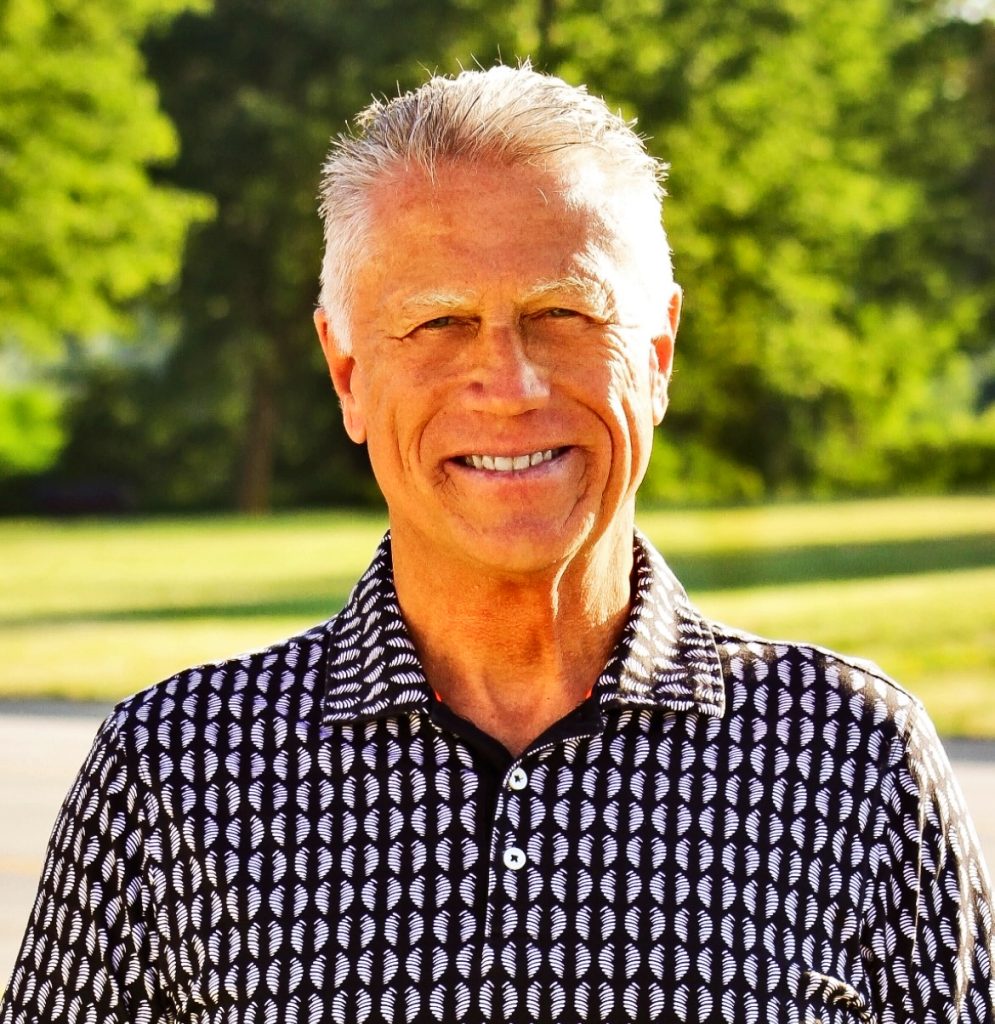
Randy Chaffee brings four-plus decades of experience to the post-frame and metal roofing industries. Author of #1 Amazon Best Seller “Asphalt and Algorithms,” he is a board member for the Buckeye Frame Builders Association and the National Frame Builders Association. Find his podcast at facebook.com/BuildingWins or call (814) 906-0001 at 1 p.m. Eastern on Mondays to listen in.
Not long ago I watched an interaction that stuck with me.
A seasoned veteran, probably in his early sixties, was explaining how he handled a particular process. He had been doing it the same way for years and, to be fair, it worked. His system was simple, proven, and reliable. The kind of approach that comes from decades in the business.
Standing nearby was a younger guy, maybe mid-twenties. Fairly new to the industry but clearly sharp. As the older gentleman wrapped up his explanation, the younger man pulled out his phone and said something along the lines of, “You know, there are a couple tools that might make this quicker.”
He walked through a few options. A couple apps. A shortcut using technology. Ways to accomplish the same task faster and with fewer steps.
For a moment the older gentleman looked at him with a mixture of curiosity and mild annoyance. You could almost see the thought forming.
“I’ve been doing this for thirty years. Why would I change now?”
But then something interesting happened.
Instead of shutting the conversation down, he leaned in. Asked a few questions. The two of them talked it through. By the end of the exchange, each of them had picked up something useful.
The younger guy gained insight from years of experience.
The seasoned veteran discovered a faster way to handle the same task.
After more than four decades working in this industry, moments like that always catch my attention. They remind me that even in a business built on experience and relationships, there is always something new to learn.
That moment captured something I believe our industry needs to think more about.
I call it Hybrid Mentorship.
The Mentoring Model Most of Us Grew Up With
For most of my career, mentoring followed a pretty simple pattern.
The experienced person teaches the younger one.
That’s the way it has worked in construction, manufacturing, and supply businesses for generations. A young person enters the business. Someone with years under their belt shows them how things are done. Over time they learn judgment, confidence, and how to handle the unexpected.
That model still matters.
In fact, I would argue it matters more than ever.
There are things you simply cannot learn from a manual or a video. Understanding customers. Reading a room. Navigating a tough conversation. Knowing when to push and when to pause.
Those lessons come from experience.
Anyone who has spent time in the post-frame, metal roofing, or construction supply world understands this. There are instincts that only develop after years of solving problems, building relationships, and occasionally learning the hard way.
Passing that knowledge along is important.
But the world around us has changed.
And that change opens the door to a different way of thinking about mentoring.
The Industry Is Moving Faster
If you’ve been in this business long enough, you’ve watched the pace of change pick up.
Technology now touches almost every part of what we do. Communication looks different. Marketing looks different. Even the way customers gather information and make decisions has evolved.
Many younger people entering the industry grew up with digital tools, online communication, and instant access to information. To them, using technology to streamline tasks or solve problems feels completely natural.
At the same time, many seasoned veterans built successful careers long before those tools existed.
That doesn’t make one group right and the other wrong.
It simply means each generation brings different strengths to the table.
Which brings us back to the moment I described earlier.
The veteran had experience.
The younger guy had tools.
Both had something valuable.
Introducing Hybrid Mentorship
Hybrid Mentorship is a simple idea.
Experience travels down.
Insight travels up.
In a traditional mentoring relationship, knowledge usually moves in one direction. The veteran teaches the younger person.
In a hybrid mentoring relationship, learning flows both ways.
The seasoned veteran shares the wisdom that comes from years in the field. The younger team member brings perspective, technology, and new ways of approaching certain tasks.
Both people grow.
This doesn’t replace traditional mentoring. It strengthens it.
Why This Matters in Our Industry
Construction and building materials have always been relationship-driven businesses.
Whether we are talking about post-frame builders, metal roofing contractors, manufacturers, or suppliers, trust still carries weight. Experience matters. Reputation matters.
That isn’t going away.
But alongside those traditions, new tools and expectations are emerging.
Estimating software. Project management platforms. Digital marketing. Online product research. Multiple communication channels.
Younger people entering the business often understand these tools instinctively.
At the same time, they may still be learning how to build the kind of long-term relationships that keep businesses strong for decades.
That’s where Hybrid Mentorship becomes powerful.
The veteran provides guidance that only comes from time in the field. The younger person helps unlock efficiencies and opportunities that come with new technology and fresh thinking.
Together they create a stronger team.
What Hybrid Mentorship Looks Like in Real Life
Hybrid Mentorship doesn’t require a formal program.
Most of the time it starts with something much simpler.
Curiosity.
A seasoned veteran willing to say, “Show me how that works.”
A younger team member willing to ask, “Why do we do it that way?”
Those conversations can happen anywhere. In an office. On a jobsite. At a trade show. Around a table during a planning meeting.
Sometimes the exchange is practical.
A younger person introduces a tool that saves time on something that used to take much longer. The veteran explains how a customer relationship developed over years and why certain details matter.
Other times the exchange is cultural.
A younger person may offer insight into how a new generation of buyers prefers to communicate or research products. The veteran shares perspective about how trust and credibility are built over time.
Both viewpoints matter.
The Mindset That Makes It Work
For Hybrid Mentorship to work, both sides need the right mindset.
For seasoned veterans, it requires adaptability.
No one likes feeling like they should suddenly change the way they’ve done things for years. But staying open to learning keeps us sharp.
For younger team members, it requires respect.
Experience matters. The lessons learned through decades of trial and error carry real value.
When both generations recognize what the other brings to the table, something productive happens.
The gap between them becomes a bridge.
Building a Stronger Industry
Our industry is going through a generational transition.
Long-time owners and leaders are gradually passing the torch. At the same time, younger people are stepping into roles with real responsibility.
Transitions like that can create friction if people focus only on what separates them.
Hybrid Mentorship encourages us to focus on what we can learn from each other.
The veteran stays current.
The younger person gains perspective.
The business gets stronger.
And the industry benefits from a blend of experience and innovation.
A Simple Takeaway
When I think back to that moment between the seasoned veteran and the young man with the phone, one thing stands out.
Neither of them had all the answers.
But together, they had more than either one alone.
That’s the essence of Hybrid Mentorship.
Experience still matters. In many ways it matters more than ever. The knowledge built from years in this business cannot be rushed.
At the same time, the world continues to move faster. Technology evolves. Communication styles shift. New generations enter the industry with fresh ideas.
The people who thrive long term will be the ones who stay curious enough to learn from every direction.
Sometimes that means mentoring someone younger.
Sometimes it means letting them show you a better way to do something.
Both matter.
That exchange of experience and insight is what I call Hybrid Mentorship, and it reflects something I’ve been writing and speaking about for years. In my book Asphalt and Algorithms, I talk about blending the best of the old school relationship approach with the advantages that modern tools and technology bring to the table.
Hybrid Mentorship is simply another example of that idea in action.
Experience travels down.
Insight travels up.
When both happen at the same time, everyone wins.